Pristine Pest
Humane Wildlife Removal in Westchester County
Humane removal and exclusion of bats, squirrels, raccoons, groundhogs, skunks, and other nuisance wildlife. Licensed by the New York State Department of Environmental Conservation for Westchester County.
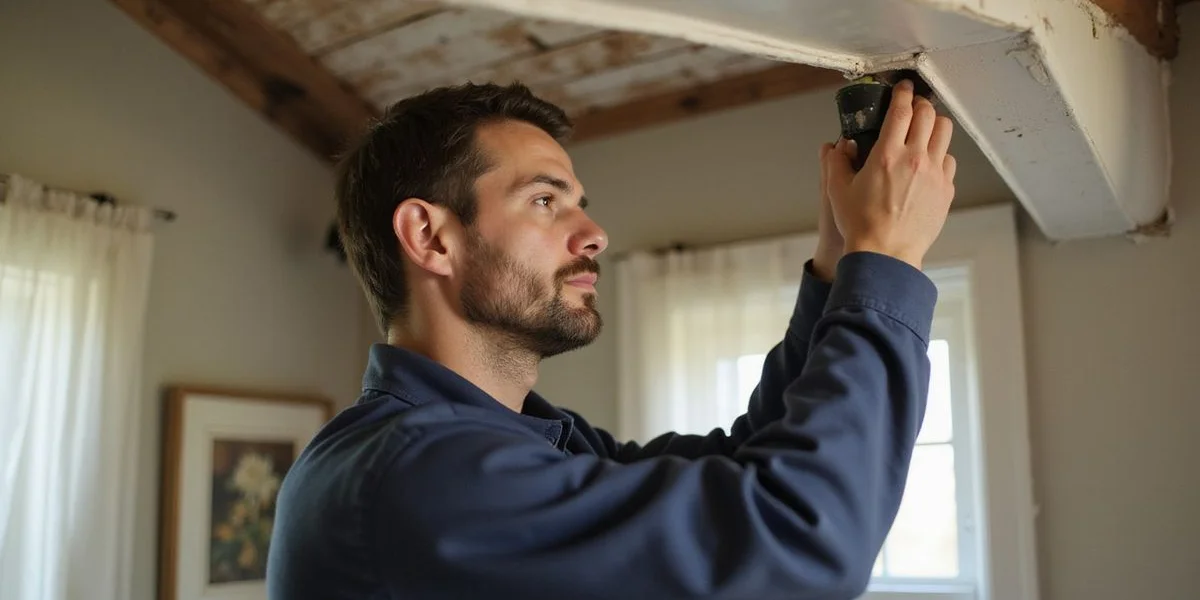
What's Included
What Our Wildlife Service Includes
Humane trapping and relocation
Bat exclusion and colony removal
Squirrel and raccoon eviction
Entry point sealing after removal
Attic and crawlspace cleanup
Licensed by NYS DEC
Wildlife in Westchester: When Nature Gets Too Close
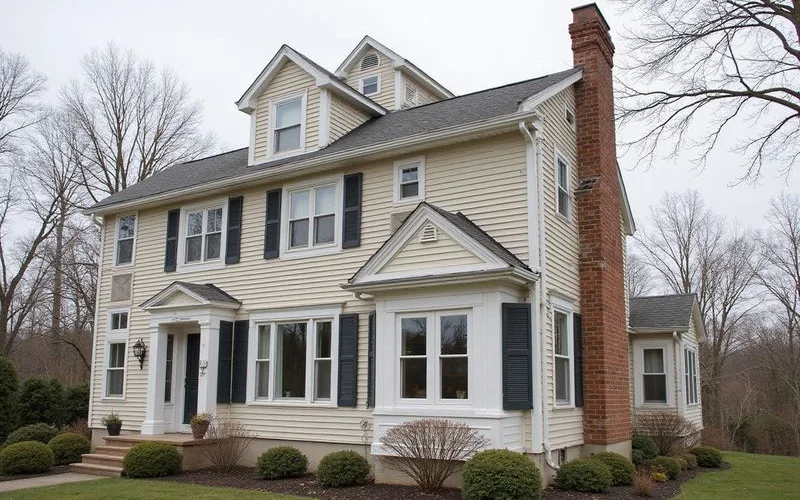
Westchester County’s appeal - mature tree canopy, established neighborhoods, proximity to parks and preserves - is precisely what makes wildlife conflicts so common. The same ecological features that attract residents also support thriving populations of squirrels, raccoons, bats, groundhogs, skunks, opossums, and other species that increasingly rely on residential structures for shelter and food.
The suburban-wildland interface that defines communities like Scarsdale, Bronxville, Larchmont, New Rochelle, and Pelham creates a landscape where wildlife habitat directly overlaps with residential properties. When a gray squirrel discovers that your soffit gap leads to a warm, predator-free attic full of insulation for nesting, or a raccoon finds that your chimney provides a perfect den site for raising young, the result is property damage, noise, health concerns, and significant stress for homeowners. Professional pest control is essential for resolving these conflicts safely and legally.
Common Wildlife Conflicts in Westchester
Gray Squirrels
The eastern gray squirrel (Sciurus carolinensis) is Westchester’s most frequent attic invader. Squirrels are gnawing animals with continuously growing incisors, and they chew through wood, aluminum, and even vinyl siding to create or enlarge entry holes. Once inside an attic, they gnaw on electrical wiring - creating a genuine fire hazard - damage insulation, and contaminate the space with droppings and urine. Gray squirrels have two breeding seasons in Westchester: late winter (January-February) and mid-summer (June-July), with young remaining in the nest for 8-10 weeks. Timing exclusion around breeding cycles is essential to avoid trapping dependent young inside the structure.
Raccoons
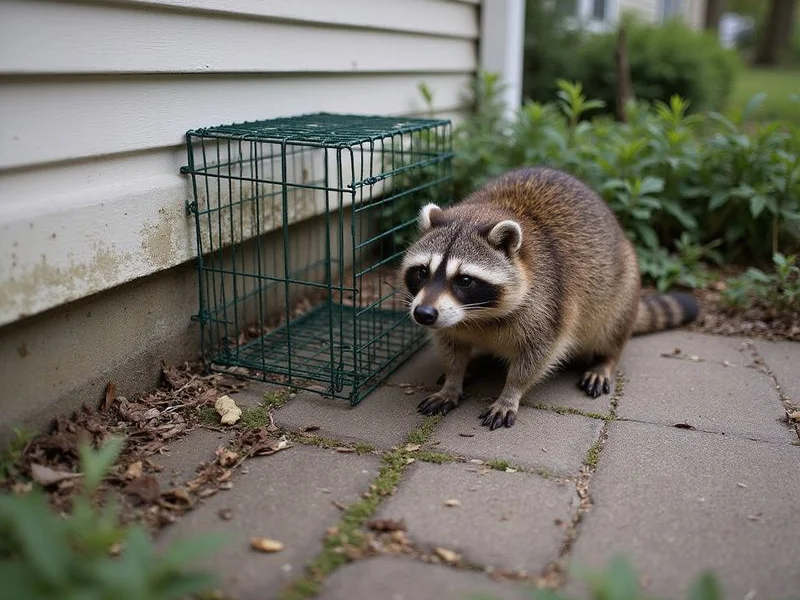
Raccoons (Procyon lotor) are remarkably strong and dexterous. An adult raccoon can peel back aluminum soffit, rip off loose fascia boards, and remove improperly secured vent covers with ease. They favor chimneys and attic spaces as denning sites, particularly females seeking safe locations to raise young in spring. Raccoon latrines - communal defecation sites - pose health risks due to the potential presence of Baylisascaris procyonis (raccoon roundworm), a parasite whose eggs can survive in soil for years and cause serious illness in humans if accidentally ingested.
New York State classifies raccoons as a rabies vector species, which imposes specific legal requirements on their handling. Raccoons cannot be trapped and relocated to a different property in New York - they must be released on-site after exclusion or humanely euthanized if necessary. Our approach prioritizes eviction and exclusion techniques that encourage raccoons to leave voluntarily before we seal entry points.
Bats
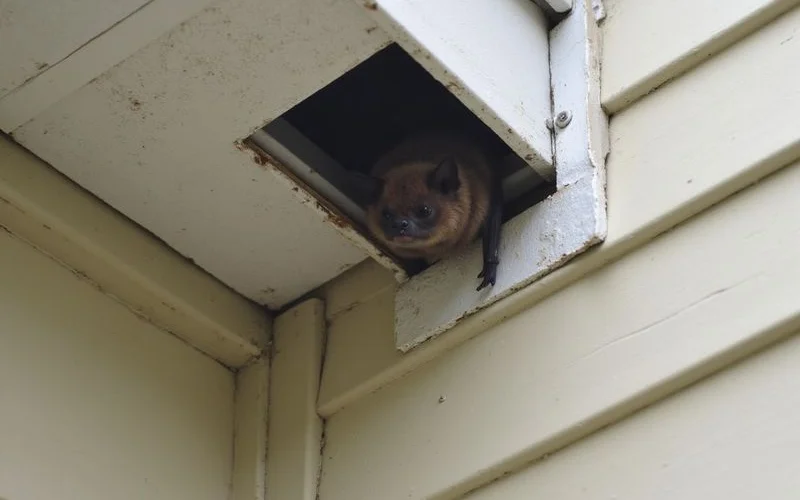
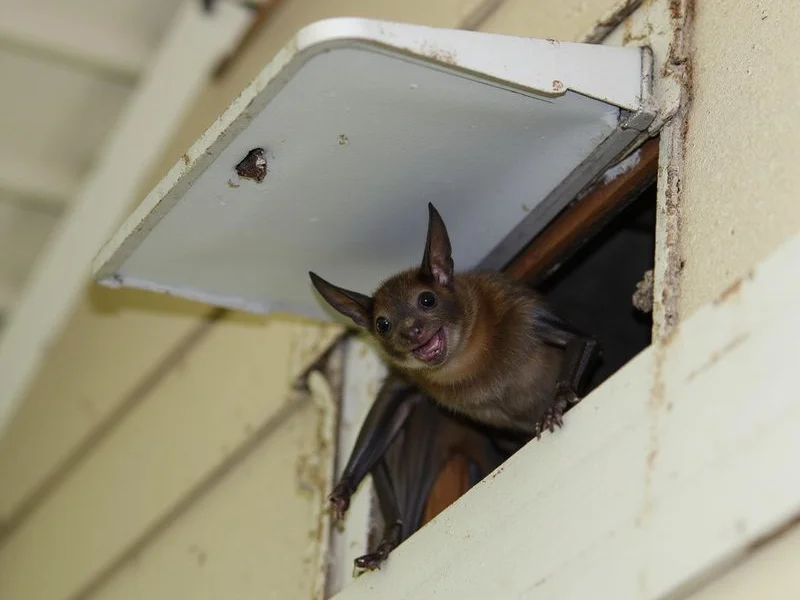
Several bat species inhabit Westchester County, with the big brown bat (Eptesicus fuscus) and little brown bat (Myotis lucifugus) being the most common attic colonists. Bat colonies in residential attics can range from a few individuals to several hundred. While bats are ecologically valuable - a single bat consumes thousands of insects per night - their presence in living spaces creates health concerns related to histoplasmosis (a fungal infection associated with bat guano accumulation) and the rare but serious risk of rabies.
Bat exclusion in New York is subject to seasonal restrictions. During the maternity season (June 1 through July 31), exclusion is prohibited because flightless pups would be trapped inside the structure. Pristine Pest schedules bat exclusion for early spring or late summer through fall, using one-way exclusion devices that allow bats to depart during evening foraging flights while preventing return.
Groundhogs
Groundhogs (Marmota monax), also called woodchucks, are Westchester’s most destructive burrowing animal. Their extensive burrow systems - which can include 20-45 feet of tunnels with multiple entrances - undermine foundations, patios, retaining walls, and driveways. Burrow entrances near foundations can direct water toward your home during heavy rain. Groundhogs are also voracious feeders that can devastate vegetable gardens and ornamental plantings.
Skunks
Striped skunks (Mephitis mephitis) den under decks, sheds, porches, and concrete stoops throughout Westchester. Beyond the obvious odor concern, skunks are classified as a rabies vector species in New York State, subject to the same handling regulations as raccoons. Our skunk management combines eviction techniques with structural exclusion to prevent denning access without the risk of a defensive spray response.
Our Approach: Removal, Exclusion, and Restoration
Wildlife control is not a single action - it is a three-phase process that must be executed in the correct sequence for lasting results.
Phase 1: Safe Removal
Every wildlife situation begins with species identification and a careful assessment of timing factors. Are young present? Is the species subject to seasonal restrictions? What is the safest and most humane removal method for the specific situation? We use live cage traps, one-way exclusion funnels, eviction deterrents (light, sound, scent), and manual extraction when appropriate - always prioritizing the safety of both the animal and the homeowner.
Phase 2: Structural Exclusion
Once all animals have been confirmed removed, we seal every identified entry point using materials appropriate to the species and location through our Home Shield Exclusion approach. This is the most critical phase - inadequate exclusion materials will be defeated by determined wildlife within days or weeks.
Our exclusion materials include:
- 16-gauge galvanized steel mesh for roof returns, soffit gaps, and vent openings
- Aluminum flashing for chimney cap installations and roof-wall intersections
- Expanding foam with embedded steel wool for pipe penetrations and irregular gaps
- Heavy-gauge copper mesh for weep holes and small crevices
- Commercial-grade chimney caps with wildlife-proof screening
Phase 3: Cleanup and Restoration
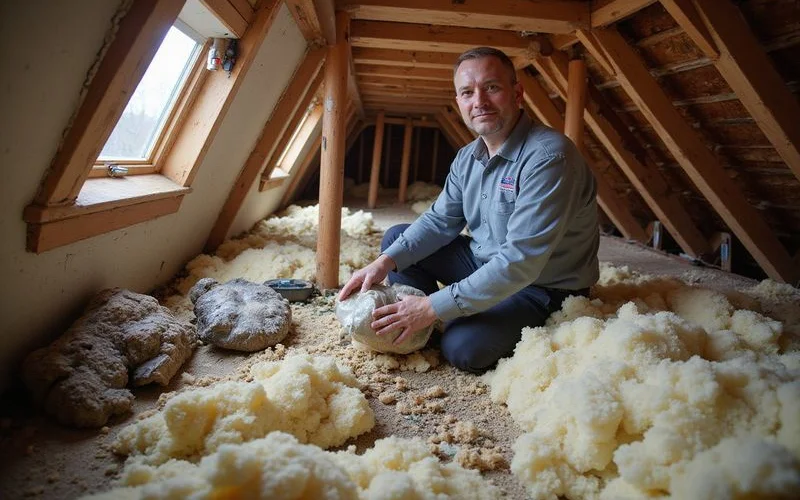
Animal activity leaves biological contamination that does not resolve on its own. Accumulated droppings, urine-saturated insulation, nesting debris, and ectoparasites (fleas, ticks, mites) left behind by wildlife require professional cleanup. We remove contaminated materials, apply antimicrobial treatment, and can coordinate with insulation contractors for replacement when damage is extensive.
Why Professional Wildlife Control Matters
Homeowner attempts at wildlife removal frequently result in incomplete exclusion, injury risk, legal violations (handling protected species without a license), and animals trapped inside walls or attics. New York State wildlife regulations are complex and species-specific, and violations can result in fines and legal liability.
Pristine Pest’s NYS DEC-licensed technicians bring the expertise, equipment, and legal authorization to resolve wildlife conflicts properly - humanely, permanently, and in full compliance with state regulations.
Contact us today to schedule a wildlife assessment for your Westchester County property.
Our Process
How Our Wildlife Process Works
A systematic, science-based approach to solving your pest problem.
Wildlife Identification and Assessment
Our NYS DEC-licensed technician conducts a thorough inspection to identify the wildlife species, locate entry points, assess the extent of activity, and determine whether young animals are present - which affects timing and methodology for safe, legal removal.
Humane Removal or Exclusion
Depending on the species and situation, we use live trapping with relocation, one-way exclusion devices that allow animals to exit but prevent re-entry, or eviction techniques using light, sound, or scent deterrents to encourage voluntary departure before sealing entry points.
Entry Point Sealing and Repair
After confirmed removal, we seal all identified entry points using species-appropriate materials - heavy-gauge galvanized steel mesh, aluminum flashing, expanding foam with steel wool reinforcement, and copper mesh for smaller openings. All repairs are designed to withstand re-entry attempts.
Cleanup and Sanitization
Wildlife activity in attics and crawlspaces leaves behind droppings, urine, nesting material, and contaminated insulation. We remove contaminated materials, apply antimicrobial treatment to affected surfaces, and can coordinate insulation replacement when damage is extensive.
Why Choose Us
Why Homeowners Choose Us for Wildlife
NYS DEC Licensed and Insured
Wildlife control in New York State requires specific licensing from the Department of Environmental Conservation. Pristine Pest holds the required Nuisance Wildlife Control Operator license, ensuring all work complies with state regulations including species-specific handling requirements and seasonal restrictions.
Humane Methods First
We prioritize humane techniques that remove animals safely and minimize stress. One-way exclusion, live trapping with same-day relocation, and eviction deterrents are our primary tools. Lethal methods are used only when required by law (e.g., certain rabies vector species) or when no humane alternative exists.
Complete Resolution Including Repairs
Removing the animal is only half the job. Without proper entry point sealing using durable materials, new wildlife will reoccupy the same space within weeks. Our service includes both removal and structural exclusion, providing lasting resolution rather than a temporary fix.
Our Work
Wildlife Results in Westchester
Questions
Wildlife FAQ
Common questions about our wildlife control services.
Is it legal to trap and relocate wildlife in New York?
There are bats in my attic. Can you remove them immediately?
How do animals keep getting into my attic?
Testimonials
What Clients Say About Our Wildlife Service
"After years of dealing with recurring mice, Pristine Pest installed their SMART sensors and sealed every entry point. We haven't seen a single mouse in over a year. The digital monitoring gives us total peace of mind."
Margaret R.
Scarsdale, NY
"We were terrified about Lyme disease with our kids playing in the yard. The LymeShield program has been incredible - no ticks found after three seasons. Worth every penny."
David K.
Rye, NY
"Professional, knowledgeable, and genuinely scientific in their approach. They actually explained the biology behind our carpenter ant problem and solved it without drenching our house in chemicals."
James T.
Larchmont, NY
Related Services
Complementary Pest Protection Services
Comprehensive pest management often benefits from combining related services for complete coverage.
General Pest Control
Comprehensive residential pest management using Integrated Pest Management protocols. Protection against mice, rats, carpenter ants, roaches, stinging insects, spiders, crickets, and silverfish.
Learn MoreHome Shield Exclusion
Structural repairs and sealing to physically prevent pest entry. Every gap, crack, vent, and foundation opening is identified and sealed by certified technicians using professional-grade materials that withstand weather and re-entry attempts.
Learn MoreReady for Wildlife?
Get a free inspection and customized wildlife control plan from our Cornell-educated team. Serving Westchester County 24/7.