Pristine Pest
WDI Reports and Real Estate Pest Inspections
NPMA-33 compliant Wood Destroying Insect reports for Scarsdale and Westchester County real estate transactions. Fast turnaround for buyers, sellers, realtors, and lenders covering termites, carpenter ants, carpenter bees, and powder post beetles.
What's Included
What Our WDI Reports Service Includes
NPMA-33 compliant WDI reports
Covers termites, carpenter ants, carpenter bees, powder post beetles
Fast turnaround for closings
Digital reports for agents and lenders
Pre-listing inspections available
Clearance letters issued
WDI Inspections: Protecting the Largest Transaction of Your Life
A home purchase is typically the largest financial transaction a person makes. In Westchester County - where median home prices consistently rank among the highest in New York State - the stakes of that transaction are particularly significant. A Wood Destroying Insect (WDI) inspection is one of the most important pest control safeguards in the due diligence process, providing both buyer and lender with documented assurance that the property is free from active wood destroying insect infestations.
The NPMA-33 WDI Inspection Report is the standardized form used nationwide, developed by the National Pest Management Association and recognized by all major lending institutions. This report specifically covers four categories of wood destroying insects that cause structural damage to buildings: subterranean termites, carpenter ants, carpenter bees, and powder post beetles. Each category presents distinct risk factors for Westchester County properties.

The Four Categories of Wood Destroying Insects
Subterranean Termites
Eastern subterranean termites (Reticulitermes flavipes) are the primary termite species in Westchester County and the most economically damaging wood destroying insect in the Northeast. Termite colonies live in soil and access wood through mud tubes - earthen tunnels constructed along foundation walls and through cracks in concrete. During a WDI inspection, we look for:
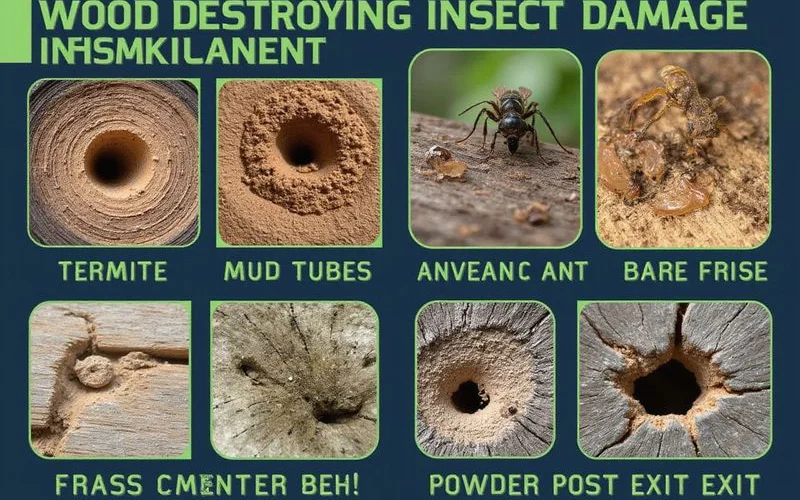
- Active mud tubes on foundation walls, piers, and plumbing penetrations
- Damaged wood with the characteristic layered, paper-thin galleries left by termite feeding
- Swarmer evidence - discarded wings near windows and light sources, indicating an active colony produced reproductive adults
- Moisture conditions that favor termite activity, including wood-to-soil contact, plumbing leaks, and inadequate ventilation
Westchester falls within the USDA’s moderate-to-heavy termite pressure zone. Properties with older foundations, mature landscaping, and wooded lots are at elevated risk. Our dedicated termite control program using the Sentricon system addresses active infestations found during inspections.
Carpenter Ants
Carpenter ants (Camponotus species) are the second most significant wood destroying insect in Westchester. Unlike termites, carpenter ants do not consume wood - they excavate smooth galleries for nesting. During inspection, we identify:
- Frass deposits - piles of sawdust-like debris ejected from gallery openings, often mixed with insect body parts
- Gallery damage in wood, characterized by smooth, clean tunnels running parallel to the wood grain
- Satellite colonies inside structures, typically established in water-damaged wood near moisture sources
- Foraging trails of large black ants, particularly active in spring and early summer
Westchester’s mature tree canopy - particularly oak, maple, and ash - supports large carpenter ant populations. Parent colonies in trees frequently establish satellite colonies in nearby homes, targeting wood already weakened by moisture damage.
Carpenter Bees
Eastern carpenter bees (Xylocopa virginica) bore circular entrance holes approximately 1/2 inch in diameter into unpainted or weathered wood surfaces. While individual holes cause minimal structural damage, years of repeated boring into the same members - a common pattern because carpenter bees return to the same nesting areas - can weaken fascia boards, deck railings, porch columns, and exterior trim.
During WDI inspection, we document:
- Bore holes in exterior wood members, particularly south-facing and sun-exposed surfaces
- Staining beneath bore holes from fecal deposits
- Accumulated damage from repeated seasons of boring in the same structural member
Powder Post Beetles
Powder post beetles (family Lyctidae and Anobiidae) are less common in Westchester than termites or carpenter ants, but they can cause significant damage to hardwood structural members, antique furniture, and hardwood flooring. These beetles lay eggs in wood pores, and the larvae consume wood from the inside, emerging through small round exit holes (1/16 to 1/8 inch diameter) when they reach adulthood.
Evidence we look for includes:
- Exit holes in hardwood surfaces with fine powder (frass) nearby
- Active frass production - fresh, light-colored powder falling from holes indicates active infestation
- Weakened wood that crumbles under probing, indicating extensive internal larval damage
What Our Inspection Covers
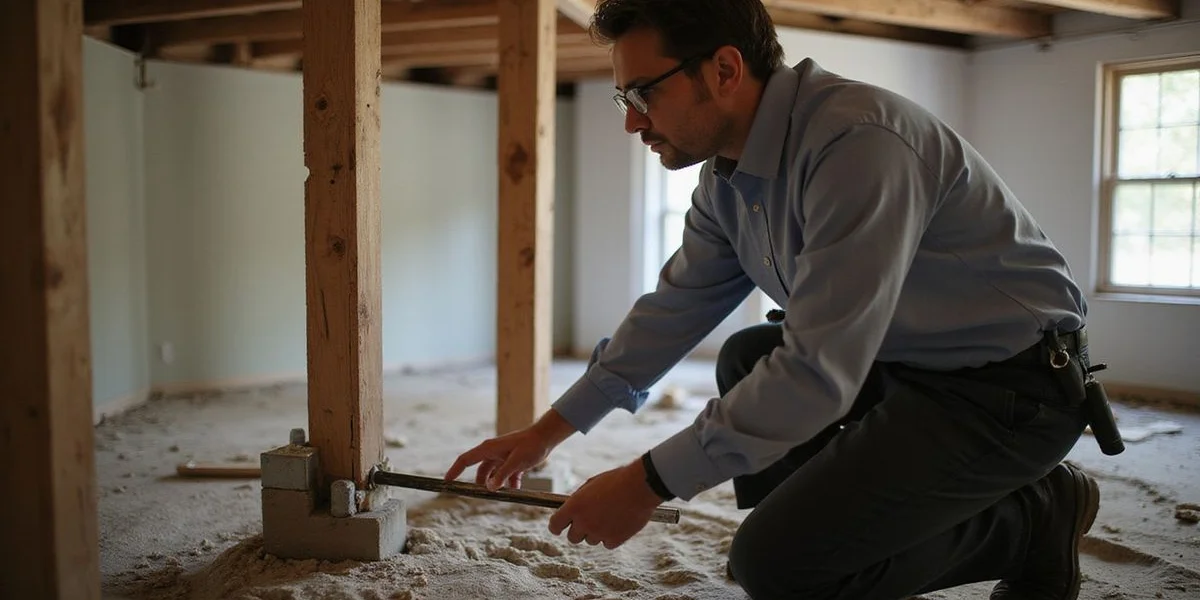
The NPMA-33 inspection protocol requires examination of all accessible areas of the structure. Our inspector systematically evaluates:
Interior areas:
- Basement walls, floor, sill plates, rim joists, and floor joists
- Crawlspace structural members and foundation walls
- Accessible attic framing (where accessible)
- Door and window frames at grade level
- Utility rooms and areas with plumbing penetrations
Exterior areas:
- Foundation walls - all four sides, full perimeter
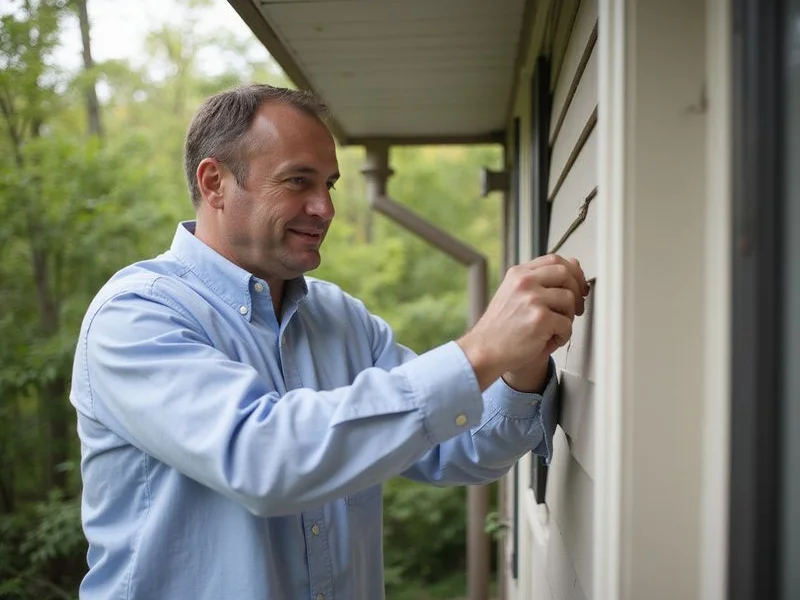
- Exterior siding, trim, fascia, and soffits at ground level
- Attached structures including garage, deck, porch, and breezeway
- Grade conditions - soil level relative to wood framing
- Landscaping features near the foundation (mulch beds, planters, retaining walls)
Tools and techniques:
- Probing tools to test wood density in suspect areas
- Moisture meter readings in areas prone to water damage
- Flashlight inspection of dark areas, cavities, and concealed spaces
- Sounding technique - tapping structural members to detect hollow areas indicating internal damage
Limitations
The NPMA-33 report documents findings in accessible areas only. Areas that are obstructed by stored items, insulation, finished walls, or other coverings are noted as inaccessible. The inspector cannot move personal belongings, remove insulation, or create access openings. If significant areas are inaccessible, we note this clearly on the report and may recommend further evaluation.
For Buyers: Why You Need a WDI Inspection
As a buyer, the WDI inspection protects you from purchasing a property with active wood destroying insect damage that could cost thousands or tens of thousands of dollars to repair. It also satisfies your lender’s requirement for documented assurance that the property’s structural integrity has been professionally evaluated.
Key considerations for buyers:
- Request the WDI inspection early in the due diligence period to allow time for treatment if needed
- The inspection can often be coordinated with the general home inspection to minimize scheduling
- If active WDI activity is found, you have negotiating leverage to request treatment at the seller’s expense before closing
For Sellers: Pre-Listing Inspections
Sellers increasingly choose pre-listing WDI inspections as a proactive strategy. By identifying and addressing any wood destroying insect issues before listing, you:
- Eliminate a common source of buyer concern and negotiation
- Demonstrate transparency and good faith to potential buyers
- Avoid delays in closing caused by last-minute WDI findings
- Control the treatment process and provider rather than accepting the buyer’s inspector’s recommendations
Pristine Pest provides pre-listing WDI inspections with the same thoroughness and documentation as buyer-requested inspections. If treatment is needed, we can often complete it before the property goes to market.

For Real Estate Agents: A Reliable Inspection Partner
Pristine Pest understands that real estate agents need inspection partners who deliver accurate reports on time without creating unnecessary obstacles to closing. We work with dozens of Westchester agents and pride ourselves on:
- Scheduling flexibility - same-day or next-day availability for most Westchester locations
- Fast report delivery - typically within 24 hours, with same-day rush available
- Clear documentation - reports that are thorough but written in plain language, with photographs of any findings
- Professional communication - we contact the listing and buyer’s agents directly with findings and are available to explain results to all parties
- Treatment capacity - if treatment is needed, we can provide proposals and complete work within typical closing timelines
Clearance Letters
When treatment for wood destroying insect activity has been completed, Pristine Pest issues a clearance letter documenting the treatment performed, the target pest, and the current status of the treated area. Clearance letters are provided in digital format suitable for lender and title company requirements.
Contact Pristine Pest today to schedule a WDI inspection for your Westchester County real estate transaction. We offer scheduling 7 days a week with expedited turnaround for time-sensitive closings.
Our Process
How Our WDI Reports Process Works
A systematic, science-based approach to solving your pest problem.
Schedule Your Inspection
Contact us directly or have your real estate agent schedule the WDI inspection. We offer flexible scheduling with expedited options for tight closing timelines. Inspections can be coordinated with general home inspections to minimize scheduling complexity.
Comprehensive Property Inspection
Our certified inspector systematically examines all accessible areas of the property - basement, crawlspace, main living areas, attic access points, garage, and exterior perimeter. We probe suspect wood, check for mud tubes, examine frass patterns, and test structural members for hidden damage using moisture meters and sounding techniques.
NPMA-33 Report Generation
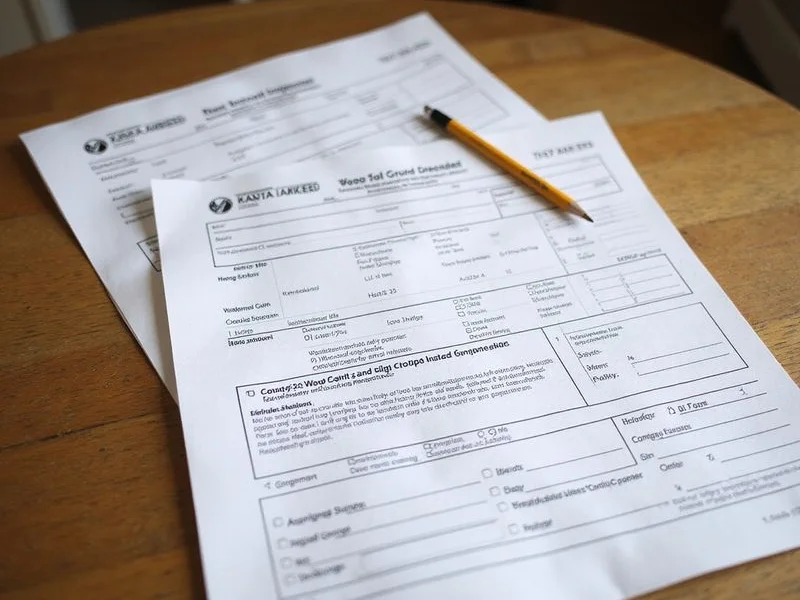
Following inspection, we complete the standardized NPMA-33 Wood Destroying Insect Inspection Report form documenting findings for all four WDI categories: subterranean termites, carpenter ants, carpenter bees, and powder post beetles. The report notes active infestations, evidence of previous infestations, damage observed, and conducive conditions.
Digital Delivery and Consultation
Completed reports are delivered digitally within 24-48 hours of inspection - often same-day for expedited requests. We provide copies to all parties as directed (buyer, seller, agents, lender) and are available to explain findings and discuss treatment options if wood destroying insect activity is identified.
Why Choose Us
Why Homeowners Choose Us for WDI Reports
Fast Turnaround for Tight Closings
Real estate transactions operate on strict timelines. We offer expedited scheduling with same-day or next-day inspection availability for most Westchester locations, and reports are typically delivered within 24 hours of inspection. Rush delivery is available for closings with immediate deadlines.
Trusted by Westchester Real Estate Professionals
Pristine Pest has completed thousands of WDI inspections for real estate transactions across Westchester County. Our reports are accepted by all major lenders and title companies, and our inspectors are known for thorough, accurate, and clear documentation that does not create unnecessary complications for smooth closings.
Treatment Resources If Needed
Unlike independent inspection firms, Pristine Pest provides both inspection and treatment services. If your WDI inspection reveals active wood destroying insect activity, we can provide an immediate treatment proposal - often saving days in the closing timeline compared to obtaining separate inspection and treatment from different companies.
Our Work
WDI Reports Results in Westchester
Questions
WDI Reports FAQ
Common questions about our real estate pest inspections services.
Is a WDI inspection required for a home sale in Westchester?
What happens if the inspection finds termites or other WDI?
What is the difference between a WDI inspection and a general home inspection?
Testimonials
What Clients Say About Our WDI Reports Service
"After years of dealing with recurring mice, Pristine Pest installed their SMART sensors and sealed every entry point. We haven't seen a single mouse in over a year. The digital monitoring gives us total peace of mind."
Margaret R.
Scarsdale, NY
"We were terrified about Lyme disease with our kids playing in the yard. The LymeShield program has been incredible - no ticks found after three seasons. Worth every penny."
David K.
Rye, NY
"Professional, knowledgeable, and genuinely scientific in their approach. They actually explained the biology behind our carpenter ant problem and solved it without drenching our house in chemicals."
James T.
Larchmont, NY
Related Services
Complementary Pest Protection Services
Comprehensive pest management often benefits from combining related services for complete coverage.
General Pest Control
Comprehensive residential pest management using Integrated Pest Management protocols. Protection against mice, rats, carpenter ants, roaches, stinging insects, spiders, crickets, and silverfish.
Learn MoreTermite Control
Expert termite elimination using the Sentricon bait system with AlwaysActive technology. Colony elimination without liquid trenching, plus continuous monitoring and annual inspections for Westchester County homes.
Learn MoreReady for WDI Reports?
Get a free inspection and customized real estate pest inspections plan from our Cornell-educated team. Serving Westchester County 24/7.