Pristine Pest
LymeShield Tick Prevention and Mosquito Control
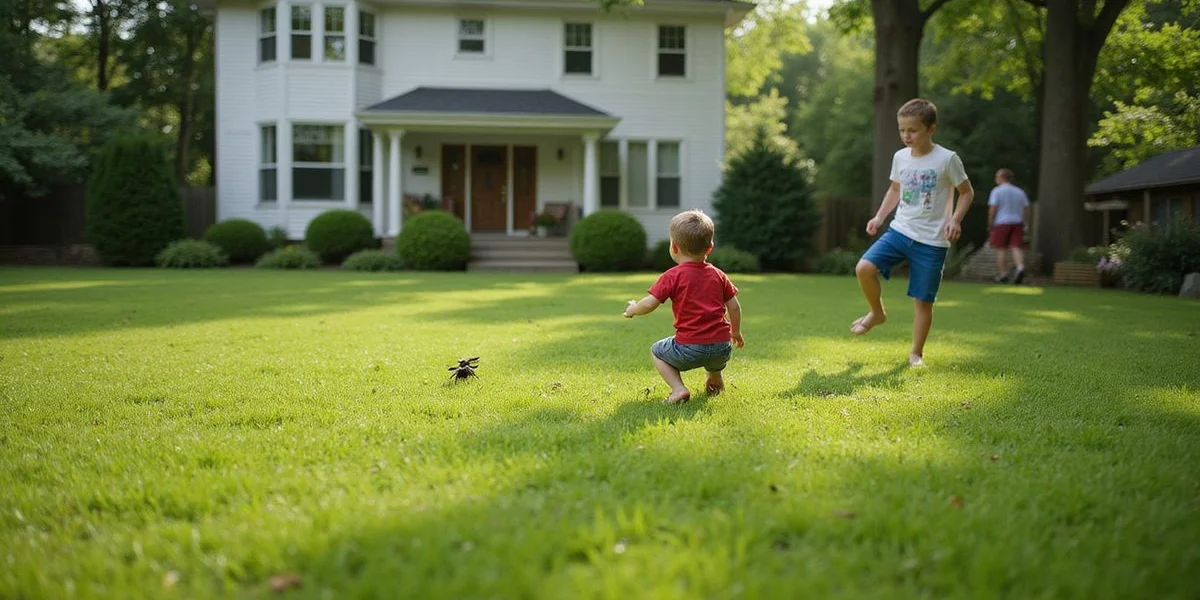
LymeShield uses a biological-first approach to break the Lyme disease transmission cycle. Organic and traditional mosquito spraying combined with tick tube deployment for comprehensive yard protection in Westchester County.
What's Included
What Our LymeShield Service Includes
LymeShield vaccine-treated tick tube deployment
Mosquito larvicide barrier treatment
Organic spray options available
Quarterly perimeter inspections
Disrupts Lyme disease transmission cycle
Safe for children, pets, and pollinators
Westchester County’s Tick and Mosquito Problem
Westchester County occupies a position at the epicenter of the nation’s Lyme disease crisis. New York State consistently reports among the highest Lyme disease case counts in the United States, and Westchester County ranks among the top five counties in the state for confirmed cases. The New York State Department of Health data indicates that Westchester’s Lyme disease incidence rate significantly exceeds both state and national averages.
The blacklegged tick (Ixodes scapularis), commonly called the deer tick, is the vector responsible for transmitting Borrelia burgdorferi - the spirochete bacterium that causes Lyme disease - to humans. But the tick is only one element in a complex ecological cycle. Understanding that cycle is essential to effective pest control prevention, and it is the foundation of our LymeShield program.
The Lyme Disease Transmission Cycle
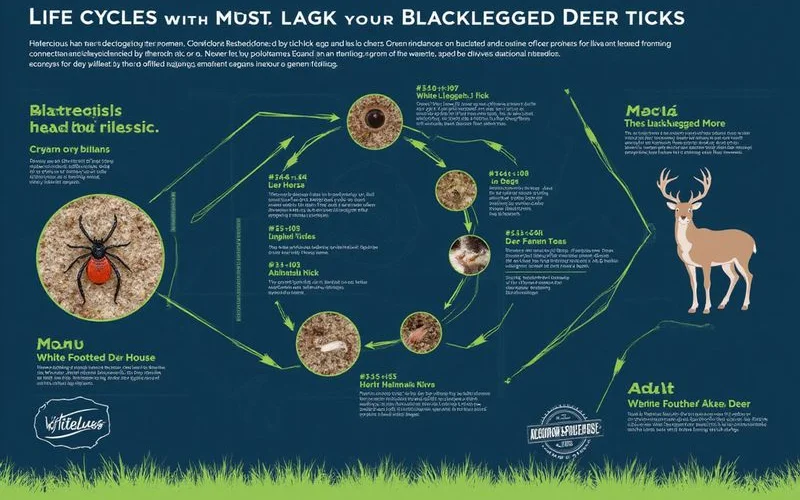
Lyme disease transmission involves a two-year tick life cycle with three feeding stages and multiple host species.
Year One: Larvae and Mice
In late summer, tick larvae - about the size of a period at the end of a sentence - hatch from eggs and seek their first blood meal. The vast majority feed on white-footed mice (Peromyscus leucopus), the most abundant small mammal in Westchester’s woodlands and suburban edges. If the mouse carries B. burgdorferi (and studies show that 40-90% of white-footed mice in endemic areas are infected), the larva acquires the pathogen during feeding.
Year Two: Nymphs and Humans
The infected larva overwinters and molts into a nymph the following spring. Nymphal ticks are active from May through July and are responsible for approximately 90% of all human Lyme disease transmission. At roughly the size of a poppy seed, nymphs are extremely difficult to detect on the skin, and they feed for 3-5 days before detaching - providing ample time for pathogen transfer if the tick remains undiscovered.
Breaking the Cycle at the Source
This is where LymeShield’s approach differs fundamentally from conventional tick spraying. Broadcast yard sprays can kill adult ticks on treated surfaces, but they do not address the mice that serve as the infection reservoir. LymeShield tick tubes target the mouse-larval tick interaction directly, eliminating ticks on their primary host before they can molt into the disease-transmitting nymphal stage. Pairing this with our general pest control program provides comprehensive year-round protection.
How LymeShield Tick Tubes Work
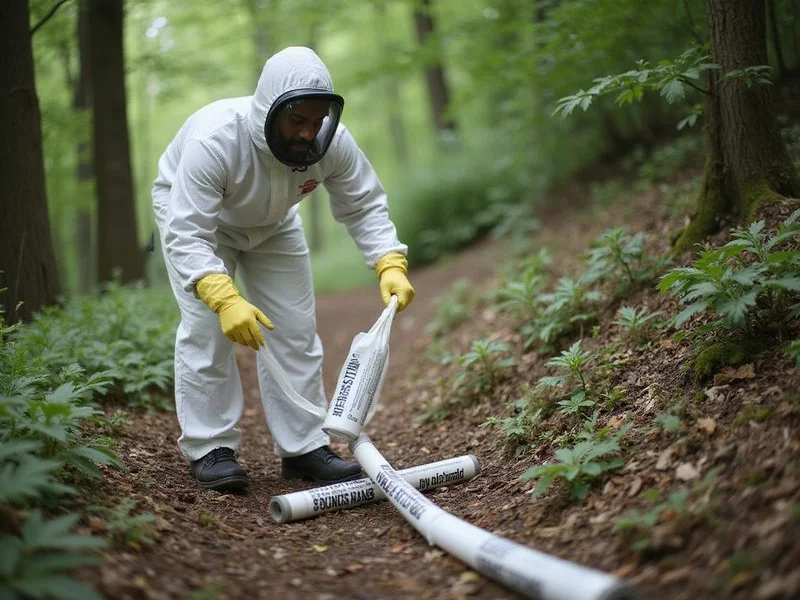
LymeShield tick tubes are cardboard tubes filled with permethrin-treated cotton balls. They are placed in locations where white-footed mice are most active - along stone walls, at the base of trees, in brush piles, and at the interface between maintained lawn and wooded or shrubby areas.
Mice are nest builders and will readily collect available cotton for bedding material. When they carry treated cotton back to their nests, the permethrin makes contact with all tick larvae and nymphs currently attached to the mouse and its nestmates. Permethrin is lethal to ticks at very low concentrations but poses no significant risk to the mice themselves.
The result: a dramatic reduction in the number of infected nymphal ticks present in your yard the following spring. Research published in the Journal of Medical Entomology has demonstrated that consistent tick tube deployment can reduce nymphal tick populations by 80-97% in treated areas over successive seasons.
Mosquito Management for Westchester Yards
While Lyme disease drives tick control urgency, mosquitoes present their own health concerns in Westchester County. West Nile virus is established in our region, and Eastern equine encephalitis (EEE) has been detected in neighboring counties. Beyond disease risk, mosquito populations in Westchester’s humid summer climate can make outdoor living spaces unusable during peak evening hours.
Barrier Treatment Approach
Our mosquito management program uses targeted barrier treatments applied to the specific locations where adult mosquitoes rest during daylight hours. Rather than broadcast fogging that disperses insecticide across your entire property, we focus on:
- Shrub beds and dense ground cover where mosquitoes harbor in shaded, humid microclimates
- Structural overhangs and eaves where mosquitoes rest during afternoon heat
- Under-deck areas and porch ceilings that provide protected resting sites
- Tree canopy edges where property borders woodland or dense vegetation
This targeted approach uses significantly less product than broadcast methods while achieving superior control in the areas where mosquitoes actually live.
Source Reduction and Larvicide
No spray program can overcome persistent breeding sites. As part of every mosquito service visit, our technicians identify and address standing water sources - clogged gutters, tree holes, low spots in landscape beds, unused containers, and drainage issues. Structural entry points identified during these visits can be addressed through our Home Shield Exclusion service. Where water cannot be eliminated (ornamental ponds, catch basins, rain barrels), we apply BTI larvicide - a biological mosquito larvicide derived from the bacterium Bacillus thuringiensis israelensis that is toxic to mosquito larvae but harmless to fish, birds, mammals, and beneficial insects.
Organic Mosquito Options
For homeowners committed to organic land management or those with specific sensitivity concerns, we offer a botanical mosquito program using cedar oil and garlic-based formulations. These products repel and reduce mosquito populations without synthetic chemicals. While organic treatments may require more frequent application (every 14-18 days versus 21 days for conventional products), they provide meaningful reduction in mosquito activity while maintaining full compatibility with organic gardening, pollinator conservation, and chemical-free outdoor living.

Seasonal Treatment Calendar
Effective tick and mosquito management in Westchester requires treatment timing aligned with pest biology and local climate patterns.
| Month | Tick Activity | Mosquito Activity | LymeShield Action |
|---|---|---|---|
| April | Nymphs emerging | Pre-season | First tick tube deployment, property assessment |
| May | Peak nymphal activity | First generation | Mosquito barrier begins, second tick tube round |
| June-July | Nymphs active | Peak populations | Barrier treatments every 21 days |
| August | Adults emerging | Sustained activity | Third tick tube deployment, barrier continues |
| September | Adult peak | Declining | Final barrier treatment, perimeter inspection |
| October | Adults seeking hosts | Season end | End-of-season assessment, winter preparation |
Protecting Your Family and Your Yard
Tick-borne diseases are not merely an inconvenience - untreated Lyme disease can progress to chronic joint inflammation, neurological complications, and cardiac involvement. Early and consistent prevention is far more effective than treating established infection.
Contact Pristine Pest today to schedule your LymeShield property assessment. We will evaluate your yard’s specific risk factors and design a tick and mosquito management program that lets your family enjoy outdoor living in Westchester without the constant worry of tick bites and mosquito harassment.
Our Process
How Our LymeShield Process Works
A systematic, science-based approach to solving your pest problem.
Property Risk Assessment
We evaluate your property's tick and mosquito risk factors - proximity to wooded areas, deer activity patterns, standing water sources, shade coverage, and landscape features that create favorable tick and mosquito habitat.
LymeShield Tick Tube Deployment
Biodegradable tick tubes containing permethrin-treated cotton are strategically placed at property borders and wooded edges. Mice collect the treated cotton for nesting material, which eliminates the blacklegged ticks they carry - breaking the Lyme disease transmission cycle at the reservoir host level.
Mosquito Barrier Treatment
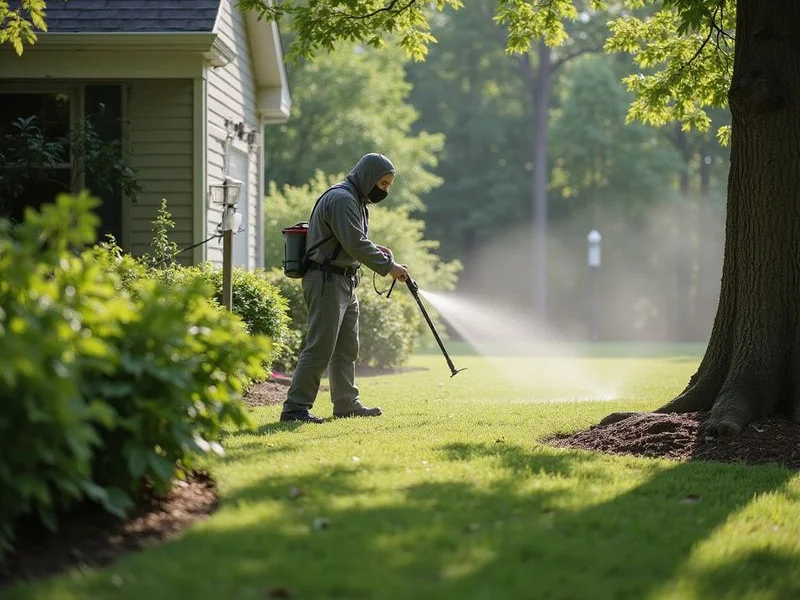
We apply targeted barrier treatments to mosquito resting sites - the undersides of leaves, shrub beds, ground cover, and shaded structures where adult mosquitoes harbor during daylight hours. Larvicide applications target any standing water that cannot be eliminated through source reduction.
Seasonal Monitoring and Reapplication
Tick and mosquito treatments are applied on a seasonal schedule aligned with peak activity periods in Westchester - April through October. Quarterly inspections verify treatment effectiveness and adjust strategies based on observed activity levels and weather patterns.
Why Choose Us
Why Homeowners Choose Us for LymeShield
Targets the Disease Cycle, Not Just the Ticks
Most tick sprays kill adult ticks on contact but do nothing to address the reservoir hosts - white-footed mice - that carry Borrelia burgdorferi. LymeShield tick tubes treat mice directly, eliminating infected ticks at the source of the Lyme disease cycle.
Organic Options Available
For families who prefer a chemical-free approach, we offer organic mosquito treatments using cedar oil and garlic-based repellent formulations. These botanical options provide effective mosquito reduction while maintaining compatibility with organic gardening and pollinator conservation.
Westchester Lyme Disease Expertise
Westchester County consistently ranks among the highest Lyme disease incidence areas in New York State. Our LymeShield program was developed specifically for the ecological conditions that drive tick-borne disease transmission in our region.
Our Work
LymeShield Results in Westchester
Questions
LymeShield FAQ
Common questions about our tick & mosquito management services.
How do tick tubes actually prevent Lyme disease?
Is the mosquito spray safe for bees and butterflies?
How many treatments are needed per season?
Testimonials
What Clients Say About Our LymeShield Service
"After years of dealing with recurring mice, Pristine Pest installed their SMART sensors and sealed every entry point. We haven't seen a single mouse in over a year. The digital monitoring gives us total peace of mind."
Margaret R.
Scarsdale, NY
"We were terrified about Lyme disease with our kids playing in the yard. The LymeShield program has been incredible - no ticks found after three seasons. Worth every penny."
David K.
Rye, NY
"Professional, knowledgeable, and genuinely scientific in their approach. They actually explained the biology behind our carpenter ant problem and solved it without drenching our house in chemicals."
James T.
Larchmont, NY
Related Services
Complementary Pest Protection Services
Comprehensive pest management often benefits from combining related services for complete coverage.
General Pest Control
Comprehensive residential pest management using Integrated Pest Management protocols. Protection against mice, rats, carpenter ants, roaches, stinging insects, spiders, crickets, and silverfish.
Learn MoreHome Shield Exclusion
Structural repairs and sealing to physically prevent pest entry. Every gap, crack, vent, and foundation opening is identified and sealed by certified technicians using professional-grade materials that withstand weather and re-entry attempts.
Learn MoreReady for LymeShield?
Get a free inspection and customized tick & mosquito management plan from our Cornell-educated team. Serving Westchester County 24/7.