When to Start Tick Prevention in the Hudson Valley
Timing is critical for tick prevention. Learn when to deploy tick tubes, start perimeter treatments, and protect your yard in the Hudson Valley region.
Sarah Nguyen
Timing Is Everything in Tick Prevention
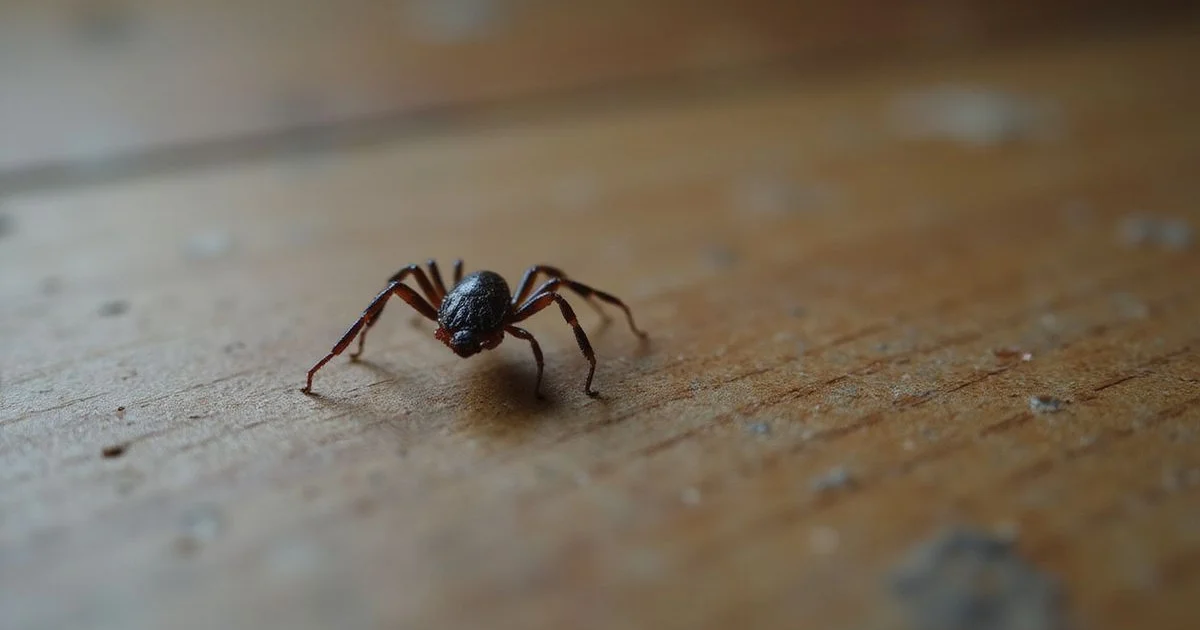
We often hear homeowners ask if it’s “too early” to worry about ticks. The reality in the Hudson Valley is that tick season is no longer just a summer issue.
If you wait until you see a tick to take action, the breeding population has likely already established itself on your property.
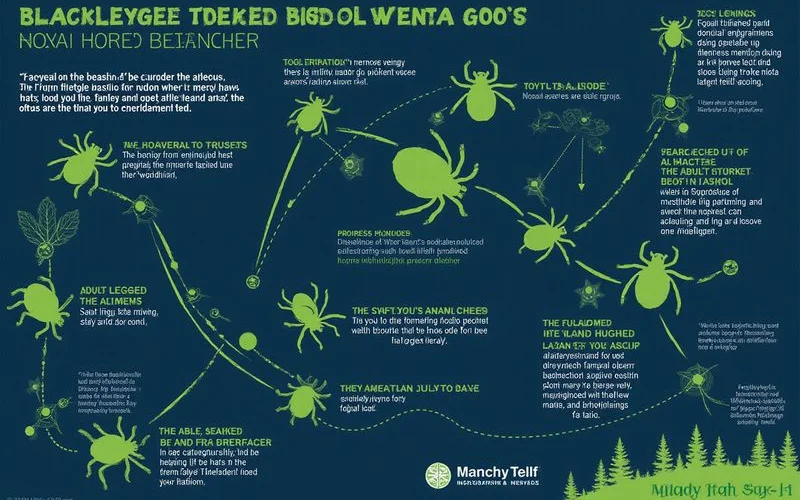
Our team has observed that effective pest control prevention isn’t about a single calendar date. It is about matching your defense strategy to the biological lifecycle of the blacklegged tick (Ixodes scapularis).
The Hudson Valley Tick Calendar
Adult Ticks: October Through May
Adult blacklegged ticks are surprisingly resilient during our local winters. We see them active in October as temperatures drop, and they remain a threat through November.
They do not die off when it snows.
Instead, they go dormant under leaf litter and re-emerge on any winter day when the ground temperature rises above 35 degrees Fahrenheit. This means a mild February day in Westchester can carry the same risk as a day in October.
Adults are the largest stage, roughly the size of a sesame seed (3mm). They primarily feed on white-tailed deer, but they will readily latch onto dogs or humans. While their size makes them easier to spot, data from the Cary Institute of Ecosystem Studies suggests that roughly 50% of adult ticks in our region carry the Lyme bacterium.
Nymphal Ticks: May Through August
This life stage represents the highest danger to your family. Nymphs are typically active from late May through July, though we are seeing this window expand into early August during humid summers.
They are roughly the size of a poppy seed.
Because they are so small, most people never feel them bite. Nymphs are responsible for an estimated 80-90% of human Lyme disease cases. This high infection rate is due to their small size and the fact that they feed during the months when we spend the most time outdoors.
Larval Ticks: July Through September
Larval ticks hatch in mid-summer and immediately look for a host. Their primary target is the white-footed mouse, which is the main reservoir for Lyme disease in our area.
Larvae hatch uninfected.
They acquire the pathogen only after feeding on an infected mouse. This specific biological window is why we use LymeShield technology. If we can target the mice before the larvae feed, we can break the chain of infection for the following year.
When to Start Each Prevention Measure
Perimeter Tick Spray Treatments: Begin in April
We recommend scheduling your first perimeter application for early to mid-April. This timing targets the adult ticks emerging from winter dormancy before they can lay eggs.
It also prepares the barrier for the nymphal explosion that occurs in May.
Recommended schedule:
- First application: Early to mid-April (weather dependent).
- Subsequent applications: Every 3-4 weeks through October.
- Total applications per season: 7-8 treatments for continuous coverage.
Every property is different. Homes in Pound Ridge, Bedford, and Lewisboro often have dense edge habitats that require a stricter 3-week interval.
LymeShield Bait Box Deployment: April and August
We deploy LymeShield bait boxes in two distinct rounds to match the feeding patterns of the white-footed mouse.
- Spring deployment (April): This round vaccinates mice just before nymphal ticks begin feeding. By clearing the infection from the mouse population, we reduce the number of infected nymphs that might bite you or your pets.
- Late summer deployment (August): This round targets the mice before the new larval ticks take their fall blood meal. Prevents the next generation of ticks from acquiring Lyme disease.
Habitat Modification: March and November
Physical changes to your landscape can drastically reduce tick survival rates.
Late March (The Spring Clean):
- Remove Japanese Barberry: This invasive shrub is common in our area and maintains a humidity level that ticks love.
- Clear Leaf Litter: Ticks use damp leaves to survive the winter.
- Create Barriers: A 3-foot wide barrier of wood chips or gravel between your lawn and the woods can reduce tick migration by nearly 50%.
November (The Fall Sweep):
- Final Leaf Removal: Do not leave piles of leaves on the edge of your property over winter.
- Brush Cleanup: Remove brush piles where mice nest.
Deer Exclusion Fencing: Winter Planning
Deer are the primary transport vehicle for adult ticks. If you are considering fencing, winter is the ideal time for installation.
The ground is often firm enough for machinery, and the foliage is down, making property lines easier to see.
Property-Specific Timing Considerations
Wooded Lots and Stone Walls
Properties in northern Westchester often feature historic stone walls. We view these walls as “tick hotels” because they provide the perfect nesting ground for mice and chipmunks.
If you have stone walls or dense canopy, your risk profile is higher.
We recommend starting treatments strictly on April 1st for these landscapes. The shade keeps the ground moist, allowing ticks to remain active longer than they would on a sunny, dry lawn.
Landscaped Suburban Properties
Homes in communities like Scarsdale or Eastchester often have manicured lawns with less woodland interface.
Solar exposure helps control tick populations here.
For these properties, a mid-April start is usually sufficient. However, if you have foundation plantings like Pachysandra or Ivy, these dense groundcovers can mimic a woodland environment and harbor ticks right next to your front door.
Properties Near Water
Humidity is the tick’s best friend. Homes near the Hudson River, Bronx River, or Kensico Reservoir experience higher ambient moisture.
Ticks desiccate (dry out) and die in low humidity.
Consequently, properties near water sources allow ticks to hunt for longer periods during the day. We often suggest extending the treatment season later into November for these riverfront or wetland-adjacent homes.
Common Timing Mistakes
Starting Too Late
We see many homeowners call us only after they find a tick on a child or pet. By the time you spot a tick in June, the nymphal population has likely been active for weeks.
Prevention is far more effective than reaction.
Stopping Too Early
Many people stop thinking about bugs after Labor Day. This is a critical error because adult ticks surge in activity during October and November.
Fall is actually the second peak of the tick season.
Leaving your property unprotected in the fall allows adult ticks to feed and lay thousands of eggs, which guarantees a heavy nymph population the following spring.
Relying on a Single Spray
A “one-and-done” approach does not work for ticks. Environmental factors like rain, UV light, and biological breakdown degrade treatment products over time.
Consistent coverage is the only way to break the lifecycle.
Most organic and synthetic treatments provide residual protection for about 21 to 28 days. Gaps in this coverage allow ticks to re-enter your safe zones.
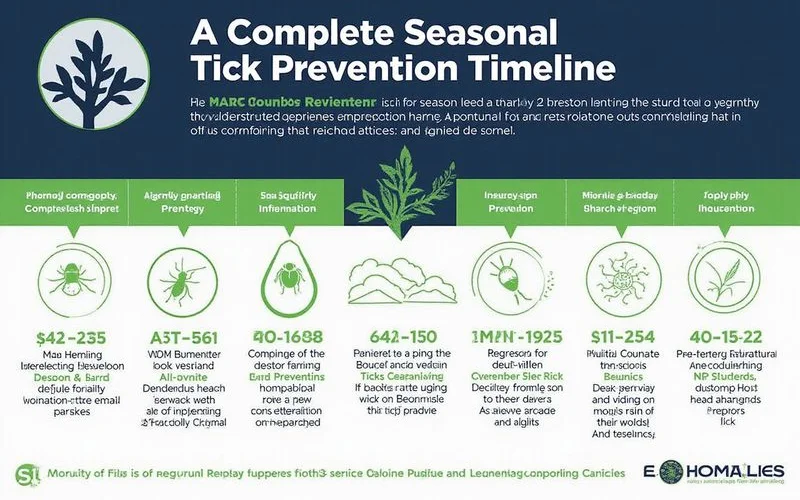
Building a Season-Long Prevention Plan
We design our programs to layer different protection methods for maximum efficacy.
| Month | Action Focus | Why It Matters |
|---|---|---|
| March | Habitat Modification | Remove the “insulation” (leaves) ticks used to survive winter. |
| April | Start Perimeter Sprays & Spring Bait Boxes | Target waking adults and vaccinate mice before nymphs feed. |
| May-July | Routine Sprays (Every 3-4 Weeks) | Peak danger zone. Consistent barrier is critical for nymphs. |
| August | Summer Bait Boxes & Routine Sprays | Stop larvae from getting infected by mice. |
| Sept-Oct | Routine Sprays | Maintain barrier as adult ticks become active again. |
| November | Final Spray & Fall Cleanup | Eliminate adults before they lay eggs for next year. |
This timeline ensures that you are attacking the tick population from multiple angles. It addresses the vector (the tick), the reservoir (the mouse), and the habitat.
Start Your Prevention Program on Time
Our team at Pristine Pest uses localized data to time these treatments perfectly for the Hudson Valley climate. We don’t just spray and leave.
We assess your specific property for risk factors like stone walls, drainage issues, and invasive plants.
Whether you need a perimeter defense or a comprehensive LymeShield tick and mosquito management system, early intervention is the key to a safe summer. Call us at 844-288-7740 to schedule your spring assessment.
Let’s get your defense in place before the first nymph emerges.
Written by
Sarah Nguyen
Licensed Wildlife Biologist
Wildlife biologist specializing in humane removal and LymeShield deployment.
Keep Reading
Related Articles
Seasonal Pest Calendar: What to Expect in Westchester County
Month-by-month guide to pest activity in Westchester County. Know which pests are active each season and how to prepare your home year-round.

Why Fall Is Peak Season for Wildlife Home Invasions
As temperatures drop, squirrels, raccoons, and bats seek shelter in Westchester homes. Learn why fall exclusion work prevents costly winter wildlife problems.