Traditional Pest Traps vs SMART Digital Monitoring: A Full Comparison
Compare traditional snap traps and poison baits against SMART wireless sensors. See how digital pest detection outperforms conventional rodent control.
Michael Corsetti
Two Fundamentally Different Approaches
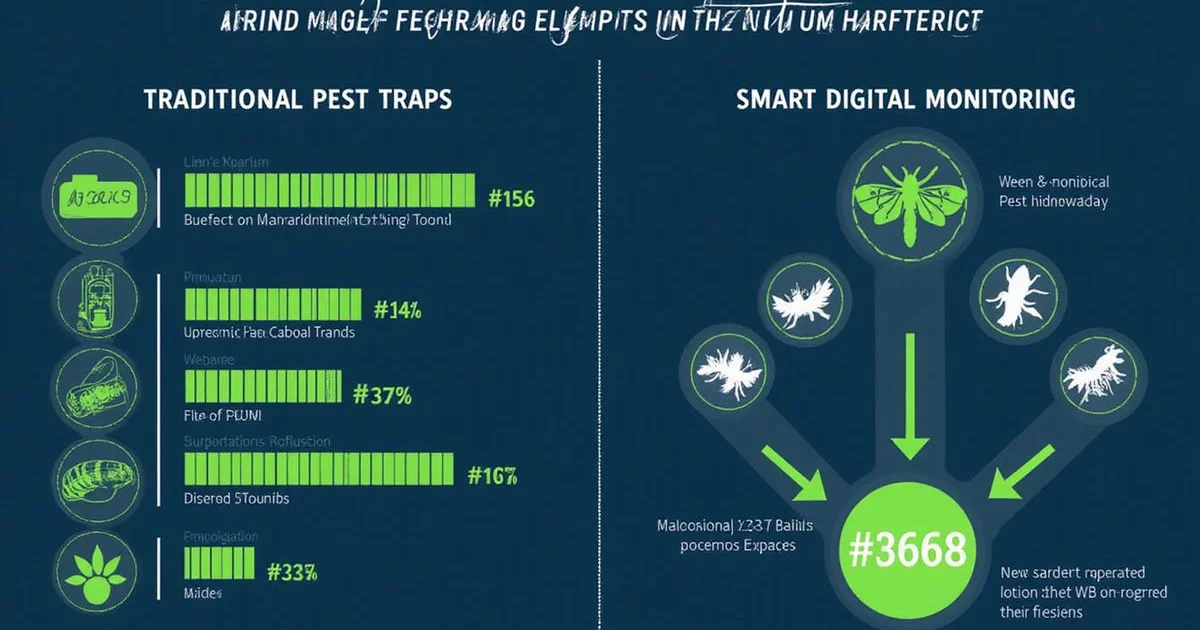
Rodent control has relied on essentially the same tools for centuries: mechanical traps, adhesive boards, and toxic baits. These methods remain widely used because they are inexpensive and, in isolation, they do catch or kill individual rodents. But catching individual rodents and managing a rodent problem are fundamentally different objectives.
SMART (Sensing, Monitoring, And Responsive Technology) digital monitoring represents a paradigm shift from reactive killing to proactive detection and prevention. Understanding the practical differences between these approaches helps Westchester homeowners make informed decisions about how best to protect their properties with professional pest control.
Traditional Traps and Baits: How They Work
Snap Traps
The classic Victor snap trap, patented in 1903, remains one of the most commonly used rodent control devices. A spring-loaded bar is triggered when a rodent disturbs a bait platform, delivering a killing strike. Modern variants use improved trigger sensitivity and enclosed designs for easier handling.
Advantages: Low cost per unit (typically $2-5 each), immediately lethal when properly placed, no toxic chemicals involved, provides physical evidence of catch.
Limitations: Must be manually checked and reset. Placement requires knowledge of rodent behavior and travel patterns. A trap only works if a rodent happens to encounter it and is motivated to interact with the bait. Multiple traps are needed to cover even a single room effectively.
Glue Boards
Adhesive boards capture rodents that walk across the sticky surface. They are frequently used as monitoring devices in commercial settings and are sometimes employed in residential applications.
Advantages: Low cost, easy to deploy, can capture multiple mice per board.
Limitations: Controversial from a humane treatment standpoint. Captured rodents remain alive and distressed until they die from stress, dehydration, or hypothermia. Non-target captures (insects, small birds, lizards) are common. Effectiveness drops significantly in dusty or humid environments. Many pest management professionals are moving away from glue boards for residential use.
Rodenticide Bait Stations
Tamper-resistant bait stations containing anticoagulant rodenticides are the most widely used rodent management tool in the industry. Rodents consume the bait and die, typically within 3-7 days for second-generation anticoagulants (SGARs) like bromadiolone and brodifacoum.
Advantages: Can reduce large rodent populations. Bait stations are durable, weather-resistant, and tamper-proof when properly secured.
Limitations: Poisoned rodents often die in inaccessible locations (wall voids, ceiling spaces), creating odor and sanitary issues. SGARs persist in the environment and cause documented secondary poisoning in raptors, foxes, and other predators. The EPA has imposed increasing restrictions on SGAR use in residential settings due to ecological concerns.
SMART Digital Monitoring: How It Works
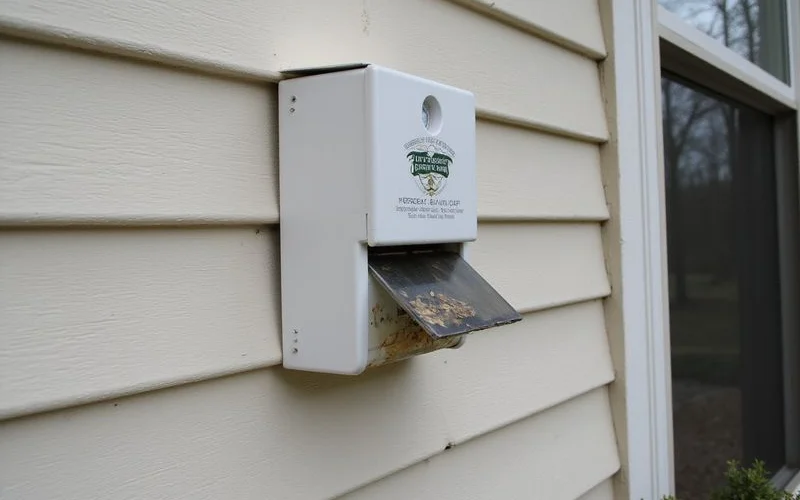
SMART sensors use infrared detection technology to identify rodent activity in real time. Installed along known travel paths, near entry points, and in high-risk areas, the sensors continuously monitor for rodent movement without using any toxic substances.
When activity is detected, data is transmitted wirelessly to a cloud-based platform. Pest management professionals receive alerts and can view activity trends, identify hot spots, and dispatch targeted responses before an infestation develops.
The system functions as both a monitoring device and an early warning system, detecting the first signs of rodent intrusion and enabling intervention at the earliest possible stage.
Head-to-Head Comparison
Detection Speed
Traditional: Problems are typically discovered through visual signs (droppings, gnaw marks, sounds) days or weeks after rodents establish activity. Trap checks may occur weekly or monthly, meaning activity between checks goes unrecorded.
SMART: Detection is instantaneous. The moment a rodent passes a sensor, the activity is logged and transmitted. Alert notifications can reach the pest management team within minutes.
Winner: SMART, by a significant margin.
Coverage Area
Traditional: Each trap or bait station covers a very small area, typically a 3-5 foot radius. Comprehensive coverage of a typical 2,500 square foot Westchester home requires dozens of devices, many of which may never encounter rodent traffic.
SMART: Each sensor monitors a broader zone and is strategically placed at chokepoints where rodent traffic is most likely. A typical residential installation of 8-15 sensors provides comprehensive coverage with less redundancy.
Winner: SMART provides more efficient coverage with fewer devices.
Chemical Exposure
Traditional bait stations: Contain toxic rodenticides that pose risks to non-target animals through secondary poisoning. While tamper-resistant stations reduce direct exposure to children and pets, the ecological impact of rodenticides in suburban environments like Westchester is well documented.
Traditional snap traps: No chemical exposure. This is a genuine advantage of mechanical traps.
SMART: Zero chemical exposure. No toxic substances are used at any point in the monitoring process.
Winner: Tie between snap traps and SMART for chemical safety. SMART wins overall when compared to the full traditional toolkit that typically includes baits.
Data and Trend Analysis
Traditional: A checked trap either has a catch or it does not. There is no data about near-misses, movement patterns, population trends, or time-of-day activity. The information value is binary: yes or no.
SMART: Every detection event is logged with timestamp, location, and movement characteristics. Over time, this data reveals patterns: which entry points are most active, when rodent pressure increases, whether exclusion work was effective, and whether populations are growing or declining.
Winner: SMART, decisively. The data advantage cannot be replicated by traditional methods.

Maintenance Requirements
Traditional: Snap traps require manual checking and resetting, typically weekly. Bait stations require periodic bait replenishment and documentation. Glue boards require replacement when full, dusty, or dried out. All traditional devices require physical presence to function and to gather data.
SMART: Sensors operate autonomously with battery life measured in months. Data is collected and transmitted automatically. Technician visits focus on analysis, response, and system maintenance rather than routine checking of passive devices.
Winner: SMART requires less routine maintenance while providing vastly more information.
Cost
Traditional: Lower upfront cost. Individual traps and bait stations cost $2-30 each. However, ongoing service labor for checking, resetting, and documentation adds up over time.
SMART: Higher initial investment for sensor hardware and installation. Monthly monitoring fees are comparable to premium traditional service plans. The total cost of ownership over a multi-year period narrows significantly when accounting for reduced service labor, fewer emergency calls, and prevented damage.
Winner: Traditional for initial cost. SMART for long-term value, particularly in properties with recurring rodent challenges.
When Each Approach Makes Sense
Traditional Methods Are Appropriate When:
- You have an isolated, one-time rodent encounter
- Budget constraints limit technology investment
- The property is a temporary residence or rental
- You need immediate population knockdown alongside monitoring
SMART Monitoring Is Ideal When:
- You want continuous, 24/7 detection capability
- Environmental safety and zero-toxin approaches are priorities
- Your property has recurring rodent issues
- You want data-driven proof that your pest management is working
- Children, pets, or wildlife concerns make rodenticides undesirable
- Your Westchester property is in a high-pressure area (wooded lot, near water, older construction)
The Integrated Approach
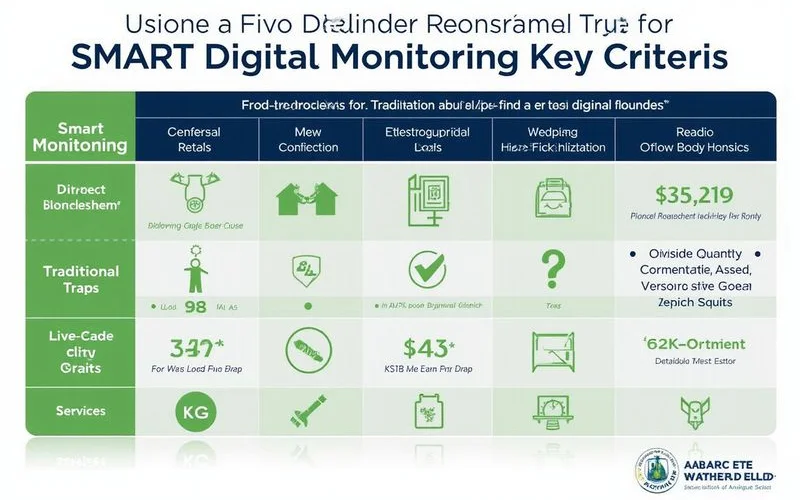
In practice, the most effective rodent management programs combine elements of both approaches. SMART sensors provide the detection and monitoring backbone, while targeted mechanical traps handle confirmed activity. This hybrid strategy leverages the strengths of each method while minimizing reliance on toxic rodenticides.
Discover What SMART Can Do for Your Home
Pristine Pest offers both traditional and SMART digital monitoring solutions for Westchester County homeowners. As the exclusive Anticimex SMART digital pest control provider in the Hudson Valley region, we can help you determine which approach, or combination of approaches, best fits your property and priorities. Contact us at 844-288-7740 for a complimentary assessment and see how modern pest monitoring technology compares to conventional methods for your specific situation.
Written by
Michael Corsetti
Board-Certified Entomologist
Cornell-educated entomologist with 20+ years in urban pest management.
Keep Reading
Related Articles

DIY Pest Control vs Hiring a Professional: When to Call an Expert
Should you handle pest control yourself or hire a licensed exterminator? Compare costs, effectiveness, and safety of DIY vs professional pest management.
Sentricon Bait System vs Liquid Termite Treatment: Which Is Better?
Compare the Sentricon baiting system with traditional liquid barrier termite treatments. Learn which method eliminates termite colonies more effectively.
Organic vs Chemical Mosquito Control: Pros and Cons for Your Yard
Compare organic mosquito sprays with traditional chemical barrier treatments. Learn which option is safer for children, pets, and pollinators in your yard.