7 Signs You Have a Pest Problem in Your Westchester Home
Learn the early warning signs of a pest infestation in Westchester County homes. From droppings to wall scratching, know when to call a professional exterminator.
Michael Corsetti
Why Early Detection Matters for Westchester Homeowners
You know the feeling of unease that comes with finding something out of place in your own house.
A slight scratching sound or a mysterious speck on the counter can trigger immediate worry.
We understand that anxiety because we see it every day in homes across the Hudson Valley.
Most infestations in Westchester County take hold long before a homeowner spots a live bug or rodent.
Research from the National Pest Management Association (NPMA) indicates that termites alone cause over $5 billion in property damage annually in the U.S.
The reality for our region is that the combination of older housing stock and dense deciduous forests creates a perfect storm for pest activity.
We find that homes in river towns like Tarrytown and heavily wooded areas like Bedford are particularly vulnerable to seasonal invaders.
Catching these signs early is the only way to avoid costly structural repairs and protect your family’s health.
Let’s look at the specific indicators you need to watch for and what they actually mean for your home.
Sign 1: Droppings and Urine Trails
Finding droppings is often the first concrete proof that you are not alone in your house.
We train our technicians to identify pests solely by the size and shape of the waste they leave behind.
Rodent droppings serve as a biological roadmap of where pests are traveling and eating.
A single mouse can produce between 50 to 75 pellets a day.
Identifying the Culprit
You can determine what you are dealing with by examining the droppings closely.
Pest Dropping Identification Guide
| Pest Type | Size | Shape | Location |
|---|---|---|---|
| House Mouse | 3-6 mm | Pointed ends (Rice grain) | Pantries, cabinet corners |
| Norway Rat | 12-18 mm | Blunt ends (Capsule) | Basements, garages |
| Cockroach | < 1 mm | Dust or black pepper | Hinges, cracks, sinks |
Fresh droppings will appear dark and moist.
Old droppings eventually dry out and become gray and crumbly.
We strongly advise against vacuuming these droppings immediately due to the risk of aerosolizing viruses.
The Centers for Disease Control and Prevention (CDC) warns that sweeping dry rodent waste can release hantavirus particles into the air.
You should always wear a mask and gloves to clean these areas with a wet disinfectant cloth.
Sign 2: Unusual Sounds in Walls and Ceilings
Your house often speaks to you before you see anything unusual.
We frequently receive calls from homeowners in Scarsdale and White Plains who hear activity long before they see a pest.
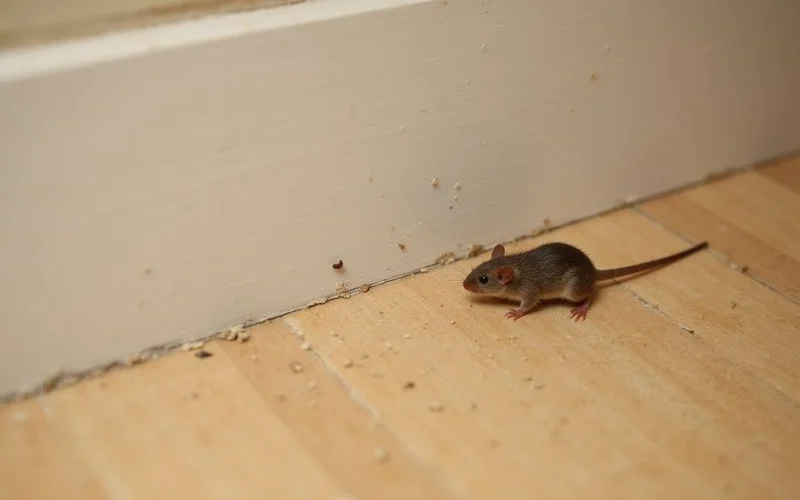
Scratching, scurrying, or tapping noises inside wall voids are classic indicators of a hidden infestation.
Mice are nocturnal creatures that follow a strict circadian rhythm.
You are most likely to hear them shortly after dusk and just before dawn.
Distinguishing the Noise
The volume and time of the sound can help pinpoint the invader.
- Mice: Faint scratching or gnawing. This usually sounds like a light tapping behind the drywall.
- Gray Squirrels (Sciurus carolinensis): Heavy scampering or rolling sounds. These occur mostly during the day or early morning.
- Flying Squirrels: Scratches and thumps in the attic. These pests are strictly nocturnal and very common in older Westchester attics.
We also suggest listening for “vocalizations” like squeaking.
Persistent noise during the winter months of October through March suggests rodents have established a nest in your insulation to escape the New York cold.
Sign 3: Gnaw Marks and Structural Damage
Rodents possess teeth that never stop growing.
We have measured incisors on Norway rats that grow up to 5 inches per year if left unchecked.
Animals must gnaw on hard surfaces continuously to file these teeth down.
This biological need results in significant damage to wood trim, PVC piping, and electrical wiring.
The Hidden Fire Risk
The physical damage is frustrating, but the safety risk is far more serious.
Data from the National Fire Protection Association (NFPA) suggests that a significant percentage of “undetermined” house fires are likely caused by rodents chewing through electrical insulation.
We often find this damage in basements near utility panels or in attics where wires run across joists.
Inspect the perimeter of your garage and basement window frames.
Fresh gnaw marks will look like light-colored wood chips.
Older marks will darken and look weathered over time.
Sign 4: Visible Pest Pathways and Rub Marks
Rats and mice have poor eyesight and rely on whiskers and memory to navigate.
We look for the greasy trails they leave behind as they hug the walls for safety.
These dark smudge lines are called sebum trails.
They are a mixture of dirt, urine, and the natural oils from the rodent’s fur.
Where to Look in Historic Homes
Westchester homes with stone foundations are particularly susceptible to these pathways.
We see this frequently in historic properties in Ossining and Croton-on-Hudson.
The rough texture of stone foundations captures these oils effectively over time.
You can sometimes verify these trails using a simple UV blacklight.
Rodent urine contains compounds that fluoresce under UV light.
This trick allows you to see traffic patterns that are invisible to the naked eye.
Sign 5: Damaged Food Packaging
Finding a hole in a cereal box is not just an annoyance.
We view it as a clear signal that pests have breached your sanitation barrier.
Rodents and stored-product insects can chew through plastic, cardboard, and even thin foils.
Indian Meal Moths (Plodia interpunctella) are the most common pantry pest we encounter in this region.
The “So What” of Pantry Pests
These pests contaminate much more food than they actually consume.
A single female moth can lay up to 400 eggs on or near food sources.
The larvae are responsible for the damage as they spin silk webbing inside bags of flour, rice, and pet food.
We recommend transferring all dry goods into hard plastic or glass containers with airtight seals.
This simple step stops the spread of an infestation and protects your grocery investment.
Sign 6: Mud Tubes and Wood Damage
Subterranean termites require high moisture levels to survive.
We identify their presence by the pencil-width mud tubes they build to travel safely above ground.
These tunnels serve as a climate-controlled highway between their soil colony and your home’s wooden structure.
Termites (Reticulitermes flavipes) consume cellulose 24 hours a day without sleeping.
Westchester’s Risk Profile
Our region falls into a “moderate-to-heavy” termite activity zone.
The U.S. Department of Housing and Urban Development classifies the Hudson Valley as a high-risk area for subterranean termite pressure.
We warn homeowners that damage is often invisible until structural integrity is compromised.
A colony can consume a 2x4 board in a few months depending on its size.
Homes with direct wood-to-soil contact are at the highest risk.
Check the exterior foundation of your home for these mud tubes, especially where porches or decks connect to the house.
Sign 7: Musty or Unusual Odors
Your nose can sometimes detect a problem before your eyes do.
We advise clients to pay attention to persistent smells that do not go away with cleaning.
Pests release specific chemical compounds that create distinct odors.
A large infestation will change the air quality of a room.
Decoding the Smell
Different pests produce different olfactory cues.
- Cockroaches: An oily, musty odor. This comes from aggregation pheromones they use to signal each other.
- Rodents: A sharp, ammonia-like smell. This is from urine accumulation and is most noticeable in enclosed spaces like cupboards.
- Mice Nests: A stale, corn-chip-like odor.
If you notice these smells intensifying in your basement or attic, the population is likely growing.
We find that HVAC systems can sometimes circulate these odors, making them harder to pinpoint.
What to Do If You Spot These Signs
Seeing one of these signs usually means a colony is already established.
We know that pest populations grow exponentially rather than linearly.
A single pair of mice can produce up to 60 offspring in a single year.
Those offspring begin breeding themselves at just six weeks of age.
Waiting to treat the issue allows the pests to create secondary nesting sites deep in your walls.
The Professional Advantage
Effective control requires more than just setting a trap.
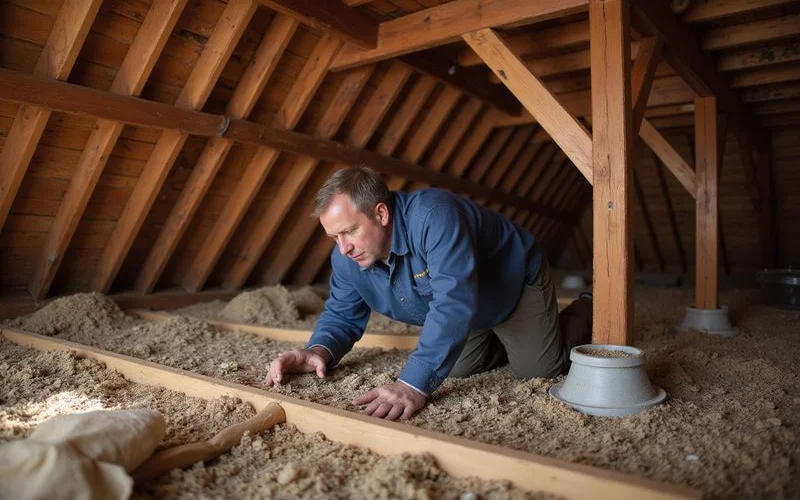
We employ board-certified entomologists to identify the specific species and their entry points.
An untrained eye might miss the dime-sized gap behind a gutter downspout where mice are entering.
Scientific Integrated Pest Management (IPM) focuses on altering the environment to stop pests from returning. A professional general pest control program addresses the root causes unique to Westchester properties.
This approach resolves the root cause rather than just treating the symptoms.
Protect Your Westchester Home Today
Your home is your most valuable asset.
We bring over 50 years of experience protecting properties in the Hudson Valley from these exact threats.
Our team uses advanced diagnostic tools like SMART digital monitoring to track rodent activity 24/7.
You deserve a pest control partner who understands the unique challenges of our local environment.
If you have noticed any of these warning signs, call us at 844-288-7740 for a same-day inspection.
Early intervention is the smartest financial decision you can make for your home today.
Written by
Michael Corsetti
Board-Certified Entomologist
Cornell-educated entomologist with 20+ years in urban pest management.
Keep Reading
Related Articles

5 Benefits of 24/7 Pest Detection Technology for Your Home
From early detection to zero chemicals, discover why round-the-clock digital pest monitoring is changing how Westchester homeowners protect their properties.
6 Warning Signs of Termite Damage in Westchester Homes
Mud tubes, hollow wood, and swarmers are early signs of termite activity. Learn how to spot subterranean termite damage before it becomes costly.

Lyme Disease Symptoms Every Westchester Resident Should Know
Westchester County is a high-risk area for Lyme disease. Learn to recognize early symptoms, when to seek treatment, and how to reduce tick exposure.