Sentricon Bait System vs Liquid Termite Treatment: Which Is Better?
Compare the Sentricon baiting system with traditional liquid barrier termite treatments. Learn which method eliminates termite colonies more effectively.
Michael Corsetti
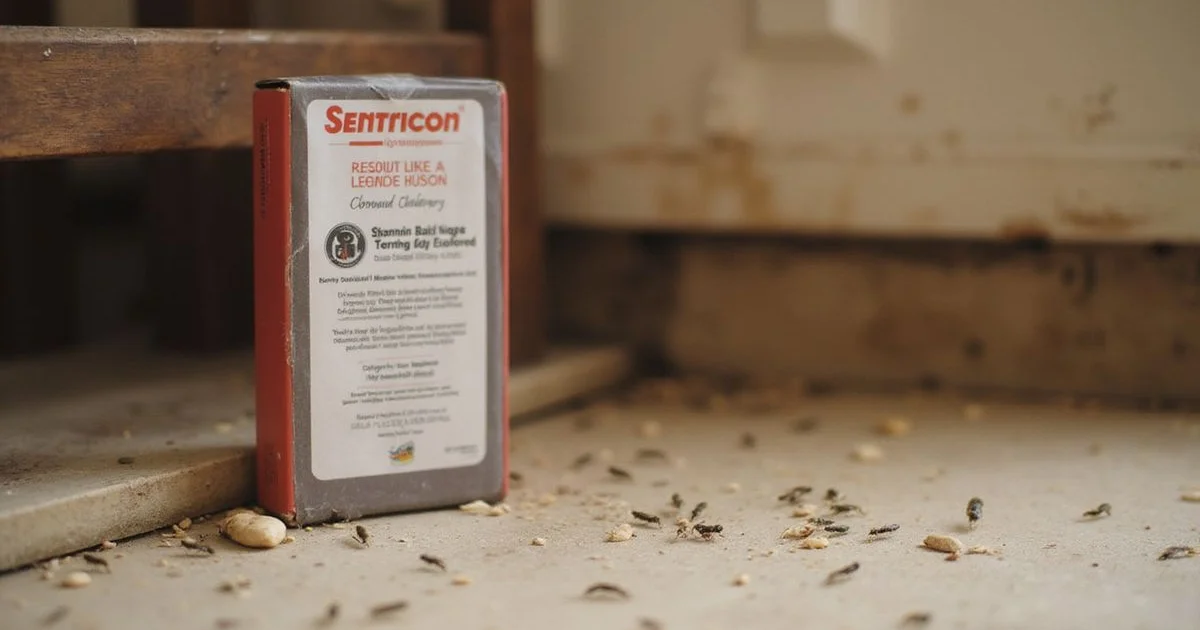
Two Proven Approaches to Termite Elimination
finding termites in your Westchester home is stressful.
It creates immediate anxiety about structural damage and property value.
When you start looking for solutions, you will quickly find two primary options: the Sentricon bait station system and liquid barrier treatments.
Both methods have strong track records.
Research and decades of field application prove they work.
They operate on fundamentally different principles.
One relies on baiting behavior, while the other creates a chemical perimeter.
Understanding these mechanics is the only way to make the right pest control choice for your specific property.
A wrong decision can lead to wasted money or continued damage.
Here is exactly how they compare so you can decide what is best for your home.
How Sentricon Works
The Bait Station System
The Sentricon system from Corteva Agriscience uses a strategic network of stations.
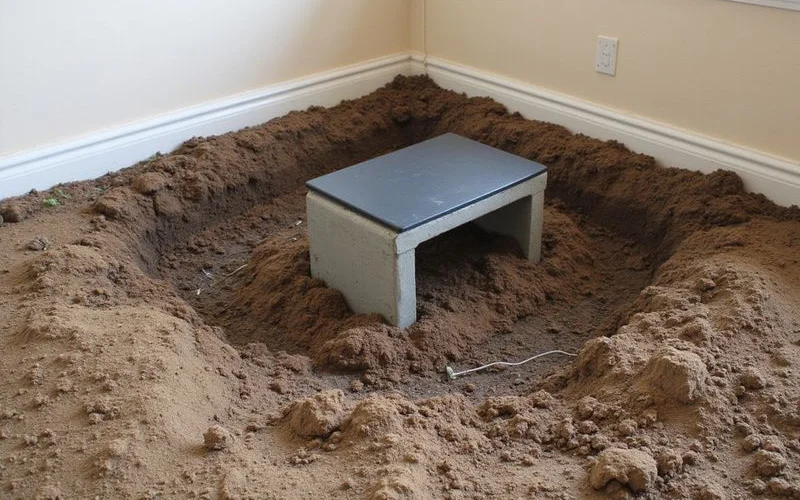
We install these stations in the soil around your home’s perimeter.
Technicians typically space them 8 to 10 feet apart.
Additional units go near areas where we suspect high activity, such as old tree stumps or woodpiles.
Inside each station is a cellulose matrix called “Always Active” bait.
Termites find this material more attractive than wood.
Worker termites discover the station while foraging.
They consume the bait and instinctively share it with the rest of the colony through a process called trophallaxis.
The Active Ingredient: Noviflumuron
Modern Sentricon bait relies on a compound called noviflumuron.
This is a chitin synthesis inhibitor.
Chitin is the primary building block of a termite’s exoskeleton.
Ingesting noviflumuron prevents the termite from molting.
They cannot form a new exoskeleton and subsequently die.
The magic of this system lies in the delay.
Since the termites do not die immediately, they have time to spread the bait deep into the colony.
This eventually impacts the queen.
Once the queen dies, the colony collapses.
Colony Elimination Timeline
Sentricon aims for total colony elimination rather than simple suppression.
University of Florida researchers have documented this in over 30 separate field studies.
Their data shows that Sentricon achieves complete colony elimination in most cases.
This process usually takes between 60 to 90 days.
Factors like colony size and the season can influence this timeline.
We leave the stations in place permanently to monitor for new invaders.
This creates a continuous ring of detection and protection.
How Liquid Barrier Treatment Works
The Application Process
Liquid treatments focus on defense.
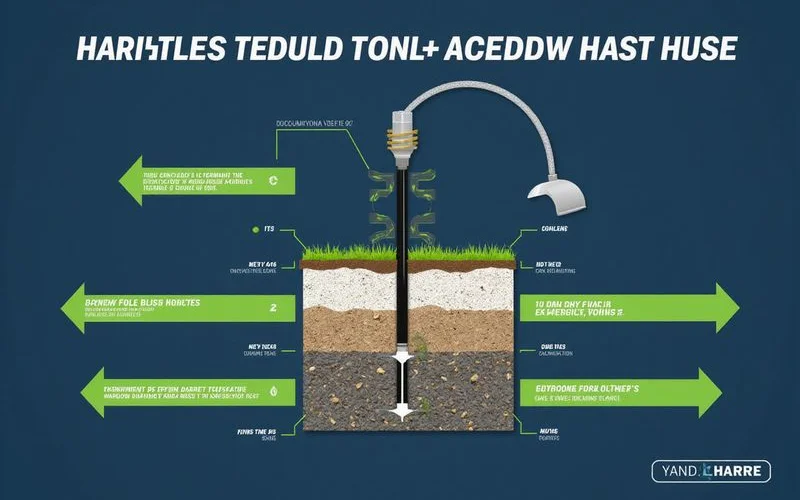
We apply a continuous chemical zone in the soil around and beneath your foundation.
This creates a line that termites cannot cross without dying.
The application is labor-intensive.
Our teams must treat every possible entry point to be effective.
Common application methods include:
- Trenching and Rodding: Digging a 6-inch by 6-inch trench along the exterior foundation and injecting chemical into the soil every foot.
- Sub-Slab Injection: Drilling holes through concrete slabs in garages or basements to pump chemical underneath.
- Masonry Void Treatment: Drilling into hollow block foundations to treat the empty spaces inside the walls.
Homes in Westchester often present unique challenges here.
Many properties have stone foundations or extensive hardscaping.
This requires careful planning to ensure the barrier remains unbroken.
Modern Termiticides
Chemical technology has advanced significantly in the last two decades.
We typically use one of two categories:
- Non-repellent termiticides (e.g., Termidor HE, Altriset): Termites cannot smell or detect these. They walk through the treated soil unknowingly. The chemical sticks to their bodies, and they transfer it to other termites before dying. This “transfer effect” is highly effective.
- Repellent termiticides (e.g., Bifenthrin): These act as a distasteful wall. Termites sense the chemical and turn away. The downside is that if there is a gap as small as a pencil lead, termites will find it and enter.
Most professionals now prefer non-repellents.
Products containing Fipronil (the active ingredient in Termidor) are the industry standard for this approach.
Protection Timeline
Liquid barriers work fast.
The protection begins the moment the chemical dries in the soil.
Mortality for termites crossing the barrier often occurs within 24 to 48 hours.
This makes it an excellent choice for active infestations causing immediate structural failure.
A proper application typically lasts 5 to 10 years.
Soil conditions in Connecticut and New York can affect this longevity.
High moisture or organic content in the soil may degrade the barrier faster than in dry, sandy regions.
Side-by-Side Comparison
Efficacy Data
Sentricon targets the source.
It eliminates the colony structure entirely.
Independent studies confirm elimination rates often exceeding 95%.
The limitation is the reliance on foraging.
Termites must find the stations first, which creates a delay between installation and control.
Liquid barriers defend the structure immediately.
They create a lethal zone that kills foragers on contact.
While non-repellents reduce colony numbers, they do not always guarantee total colony elimination like baits do.
Environmental Impact
Sentricon is the green choice.
It uses only a few grams of active ingredient per home.
The bait remains contained within the plastic station.
It does not leach into the groundwater.
Sentricon was the first product registered under the EPA’s Reduced Risk Pesticide Initiative.
Liquid barriers require volume.
Treating a standard 2,500-square-foot home often requires 100 to 300 gallons of diluted chemical solution.
While modern options like Altriset are far safer than older chemicals, the volume is still substantial.
Homeowners with wells or cisterns usually prefer to avoid this volume of chemical near their water supply.
Installation Disruption
Sentricon is non-intrusive.
We use a specialized auger to create small holes in the soil.
There is no heavy digging or drilling required.
You do not even need to be home for the exterior installation.
Liquid treatment is a construction project.
It involves trenching around your landscaping.
We must drill through concrete patios, porches, and basement floors.
Holes are typically spaced every 12 inches.
This generates dust and noise.
If you have expensive tile or finished floors in your basement, this drilling can be a major drawback.
Ongoing Monitoring
Sentricon includes surveillance.
The stations act as permanent sentries.
We inspect them annually or quarterly.
If a new colony moves in three years from now, we will know immediately.
Liquid barriers are invisible.
Once we fill the trench, we cannot see the chemical.
There is no way to know if the barrier has degraded without digging it up.
You generally assume you are protected until you see swarming termites again.
Cost Comparison (NY Metro Region)
Pricing varies based on linear footage and home complexity.
Here is what you can expect in our region for 2026.
| Feature | Sentricon System | Liquid Barrier (Termidor/Altriset) |
|---|---|---|
| Initial Investment | $1,200 - $3,000 | $1,800 - $4,500 |
| Annual Maintenance | $300 - $500 (includes monitoring) | $0 - $150 (inspection only) |
| Warranty Type | Repair & Retreat (typically) | Re-treatment only (typically) |
| Longevity | Indefinite with service | 7-10 years before booster needed |
Sentricon has a lower entry cost.
The ongoing subscription covers the bait and the professional monitoring.
Liquid treatments cost more upfront.
Labor and chemical costs drive this price up.
You save on annual fees, but you lose the active monitoring component.
Property Considerations for Westchester Homes
Your home’s construction style often dictates the winner.
We look at specific factors to guide our recommendation.
Sentricon is usually better if:
- You have a finished basement with intricate flooring.
- Your home has a stone foundation (common in older CT/NY homes).
- There is a well, stream, or cistern within 50 feet of the foundation.
- You want an eco-friendly profile.
Liquid barrier is usually better if:
- You are selling the house and need immediate clearance.
- There are active termites swarming inside the living space right now.
- The basement is unfinished and easy to drill.
- You want a “one-and-done” application without annual contracts.
The Combined Approach
Sometimes the best answer is “both.”
We often recommend a hybrid strategy for severe infestations.
This involves a targeted spot treatment with liquid to stop immediate damage.
Then, we install Sentricon for long-term colony elimination.
This gives you the immediate knockdown of liquid with the permanent security of bait.
It is particularly effective for large estates in Greenwich or Scarsdale where multiple colonies might exist.

Get Expert Treatment Recommendations
Choosing between these methods is not just about price.
It is about matching the science to your soil and structure.
Pristine Pest is a Certified Sentricon Specialist offering professional termite control for the NY/CT metro area.
Our team includes board-certified entomologists who understand local pest pressures.
We assess your specific situation, from soil density to foundation voids.
You get a recommendation based on data, not just what is easiest to sell.
Call us at 844-288-7740 to schedule your evaluation.
Let’s protect your investment with the right tool for the job.
Written by
Michael Corsetti
Board-Certified Entomologist
Cornell-educated entomologist with 20+ years in urban pest management.
Keep Reading
Related Articles

DIY Pest Control vs Hiring a Professional: When to Call an Expert
Should you handle pest control yourself or hire a licensed exterminator? Compare costs, effectiveness, and safety of DIY vs professional pest management.
Traditional Pest Traps vs SMART Digital Monitoring: A Full Comparison
Compare traditional snap traps and poison baits against SMART wireless sensors. See how digital pest detection outperforms conventional rodent control.
Organic vs Chemical Mosquito Control: Pros and Cons for Your Yard
Compare organic mosquito sprays with traditional chemical barrier treatments. Learn which option is safer for children, pets, and pollinators in your yard.