Seasonal Pest Calendar: What to Expect in Westchester County
Month-by-month guide to pest activity in Westchester County. Know which pests are active each season and how to prepare your home year-round.
Michael Corsetti
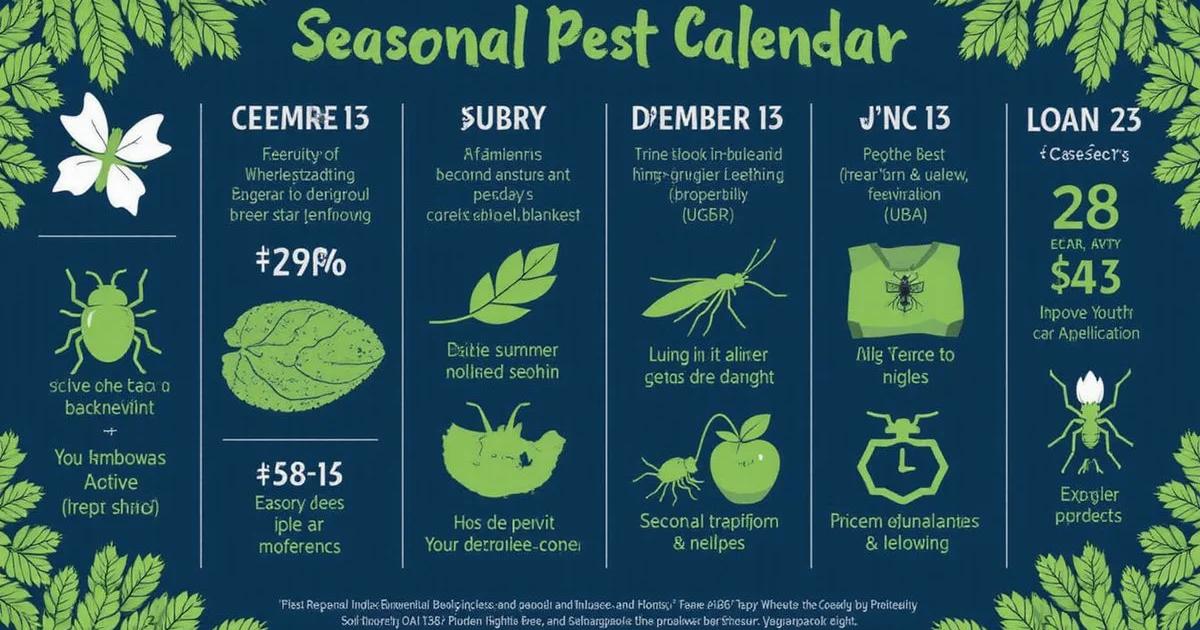
Understanding Westchester’s Pest Seasons
Living in Westchester County means dealing with a unique blend of coastal and inland environments. One day you are dealing with moisture-loving insects near the Sound, and the next you see wildlife seeking shelter in the wooded hills of Northern Westchester.
We have spent decades tracking these patterns across the region.
The local geography creates a predictable calendar for pest activity. Temperature, humidity, and rainfall drive specific biological cycles that homeowners can actually anticipate.
You do not have to wait for an infestation to react.
Our goal is to help you stay ahead of these shifts. This guide breaks down exactly what our technicians see in the field, month by month.
Winter: December Through February
Active Pests
The cold forces nature to seek warmth. Winter in Westchester is almost exclusively defined by pests trying to get inside your home.
We find that as exterior temperatures drop below freezing, commensal rodents become the primary threat. The house mouse (Mus musculus) and Norway rat (Rattus norvegicus) are not just looking for food. They are looking for stable temperatures to nest and breed.
Research shows that a single pair of mice can produce up to 60 offspring in a year if left unchecked.
Our data indicates that call volumes for rodents spike significantly once the first heavy frost hits. Westchester’s mix of older stone-foundation homes and dense suburban vegetation provides the perfect environment for these intruders.
Other Winter Concerns
While rodents get the headlines, other pests are often hiding in plain sight.
- Overwintering Insects: You might spot Brown Marmorated Stink Bugs or Western Conifer Seed Bugs near sunny windows. They entered months ago and are now waking up due to your home’s artificial heating.
- Stored-Product Pests: We often find Indian Meal Moths in pantries after the holidays. They hitchhike in on flour, nuts, and dried fruit packages.
- Wildlife: Flying squirrels and raccoons frequently exploit gaps in rooflines during this season. Once established in an attic, they damage insulation and electrical wiring rapidly.
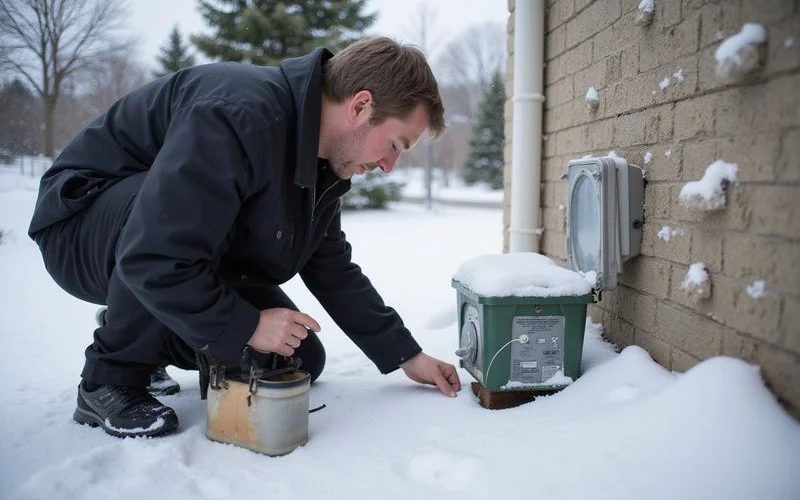
Assessing the Risk: Rodent vs. Wildlife Signs
If you hear noises in the ceiling or walls, the timing often reveals the culprit.
| Sign | Likely Culprit | Typical Behavior |
|---|---|---|
| Scratches at Night | Mice / Rats | Scuttling sounds inside walls or under cabinets. |
| Heavy Thumping | Raccoons | Sounds like a human walking in the attic. Mostly nocturnal. |
| Daytime Noise | Squirrels | Fast, frantic running in gutters or soffits during the day. |
| Rolling Sounds | Flying Squirrels | Sounds like acorns rolling (often late at night). |
Preventive Actions
- The Pencil Test: Inspect door sweeps and foundation cracks. If a standard #2 pencil fits into a gap, a mouse can squeeze through it.
- Firewood Management: Store logs at least 20 feet from the house. Pests use woodpiles as a staging ground before entering the home.
- Utility Line Check: Look where A/C lines or pipes enter the siding. We often see the original sealant degrade here, leaving a perfect highway for rodents.
- Sanitation: Secure garbage lids tightly. Raccoons in Westchester are remarkably dexterous and will open loose containers.
Spring: March Through May
March-April: The Awakening
Soil temperatures are the master switch for insect activity. When the ground temperature stabilizes above 50 degrees Fahrenheit, dormancy ends.
This transition period is the most critical window for establishing a protective perimeter.
- Carpenter Ants (Camponotus spp.): These ants act fast. We typically see them foraging for water first. If you see large black ants in the kitchen or bathroom, it usually means a satellite colony is already inside your wall voids.
- Termite Swarmers: Warm rain in April often triggers subterranean termite swarms. Thousands of winged insects may emerge suddenly. This is not an invasion from outside. It is evidence of a mature colony already operating under the structure.
- Pavement Ants: You will likely see small sand piles in driveway cracks or ants trailing near the patio. They are expanding their territory as the ground thaws.
May: Tick and Mosquito Season Begins
The risk to human health increases significantly as spring peaks. Blacklegged ticks (Ixodes scapularis) become highly active once temperatures stay above freezing, but their questing behavior peaks now.
We urge homeowners to take ticks seriously.
Westchester County Department of Health data consistently places our area in a high-risk category for Lyme disease. The nymph stage ticks active in late spring are the size of a poppy seed, making them incredibly difficult to detect during a tick check.
Mosquitoes also join the mix in May.
- Asian Tiger Mosquitoes: These aggressive day-biters breed in tiny amounts of water.
- Culex Mosquitoes: These are your typical dusk-and-dawn biters.
A female mosquito needs only a bottle cap full of water to lay hundreds of eggs.
Preventive Actions
- Early Termite Inspection: Schedule this before the swarming season peaks. Detecting mud tubes on the foundation now can save thousands in repair costs.
- Tick Habitat Reduction: Create a 3-foot buffer of gravel or wood chips between your lawn and wooded areas. This “dry border” discourages ticks from migrating into the yard.
- Water Audit: Walk your property after a rainstorm. Dump out plant saucers, check tire swings, and ensure gutters are flowing freely.
- Vegetation Management: Trim shrubs back at least 12 inches from the exterior walls. This allows airflow and eliminates the “bridge” ants use to bypass foundation treatments.
Summer: June Through August
Peak Activity Period
Heat and humidity create an explosion of biological activity. Insect metabolisms run faster in the summer, leading to rapid reproduction cycles.
We see a shift from structural pests to stinging and biting pests during these months.
- Yellowjackets and Paper Wasps: Queens establish nests in spring, but colonies hit critical mass in summer. We frequently find nests hidden in retaining walls or underground voids.
- Carpenter Bees: Look for perfectly round half-inch holes in unpainted wood. The real damage often comes from woodpeckers tearing at the wood to eat the bee larvae inside.
- Spotted Lanternfly: This invasive agricultural pest has become a major nuisance in Westchester. They congregate on Tree of Heaven, maples, and fruit trees, excreting sticky “honeydew” that attracts stinging insects.
- Bed Bugs: Travel increases exposure. We see a correlation between summer vacations and bed bug introductions into local homes.
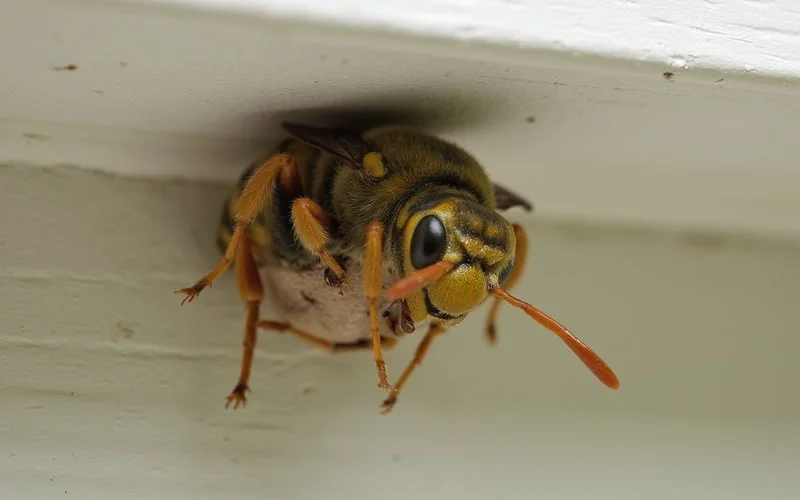
Stinging Insect Identification Guide
Knowing what is buzzing around your deck can help you gauge the danger level.
| Insect Type | Aggression Level | Nest Location |
|---|---|---|
| Paper Wasp | Moderate | Open, umbrella-shaped combs under eaves. |
| Yellowjacket | High | Enclosed nests in ground holes or wall voids. |
| Bald-Faced Hornet | Very High | Large, football-shaped grey nests in trees. |
| Carpenter Bee | Low (Males hover) | Individual tunnels in wood trim/decks. |
Preventive Actions
- Weekly Eave Scans: Walk around your home once a week. It is much easier to remove a golf-ball-sized wasp nest than a basketball-sized one later in August.
- Mosquito Cycle: Maintain barrier treatments every 3 to 4 weeks. Rainfall breaks down products, and new larvae hatch constantly.
- Travel Protocol: Inspect hotel headboards and mattress seams before settling in. Keep luggage on racks, not the floor.
- Wood Protection: Paint or stain exposed wood. Carpenter bees prefer weathered, untreated lumber for their galleries.
Fall: September Through November
The Migration Indoors
The biological directive changes from “reproduce” to “survive” as days shorten. Pests sense the coming cold before we do.
We view fall as the second most important season for exclusion work.
- Rodent Pressure: Mice begin testing the perimeter of your home in September. They follow warmth gradients escaping from cracks in the foundation.
- Occasional Invaders: Boxelder bugs and Asian Lady Beetles gather on south-facing walls to soak up the sun. They will slide under siding to hibernate in wall voids.
- Wildlife Dens: Raccoons look for winter dens now. Uncapped chimneys are a favorite target in Westchester’s older housing stock.
September-October: Final Outdoor Pest Push
Do not let your guard down just because the air is crisp.
- Aggressive Yellowjackets: Natural food sources die off in autumn. This makes wasps aggressive scavengers at outdoor barbecues and around trash cans. They are desperate for sugar and carbohydrates.
- The Second Tick Peak: Adult blacklegged ticks become active again in October. They are larger than the spring nymphs but still transmit pathogens efficiently.
Preventive Actions
- Exclusion Audit: Seal gaps around pipes and wires with copper mesh and silicone. Steel wool can rust and degrade over time.
- Garage Door Seals: Check the rubber weatherstripping at the bottom of your garage door. If you see light coming through the corners, a mouse can enter.
- Chimney Caps: Install a stainless steel cap. This prevents raccoons, squirrels, and birds from nesting inside the flue.
- Leaf Management: Remove leaf litter near the foundation. This debris holds moisture and provides cover for rodents and insects trying to breach the perimeter.

Year-Round Protection for Your Home
A single treatment cannot address a biological cycle that changes four times a year. The strategy that works for carpenter ants in April is useless against mice in December.
We believe in adaptive management.
Effective pest control requires shifting tactics to match the behavior of the pests. Quarterly visits allow us to disrupt breeding cycles and seal entry points before an infestation takes hold.
This proactive approach uses fewer chemicals and delivers better long-term results than reacting to emergencies.
Stay Ahead of Every Season
Pristine Pest designs its general pest control programs specifically for the Westchester County environment. Our board-certified entomologists understand the local flora, the specific architecture of the region, and the pests that exploit them.
We have protected Hudson Valley homes for over 50 years by staying one step ahead of nature.
You might need year-round peace of mind, or perhaps just a targeted solution for tick season. Our team customizes the plan to fit your property and your family’s needs.
Call us at 844-288-7740 to start a protection plan that actually works.
Written by
Michael Corsetti
Board-Certified Entomologist
Cornell-educated entomologist with 20+ years in urban pest management.
Keep Reading
Related Articles
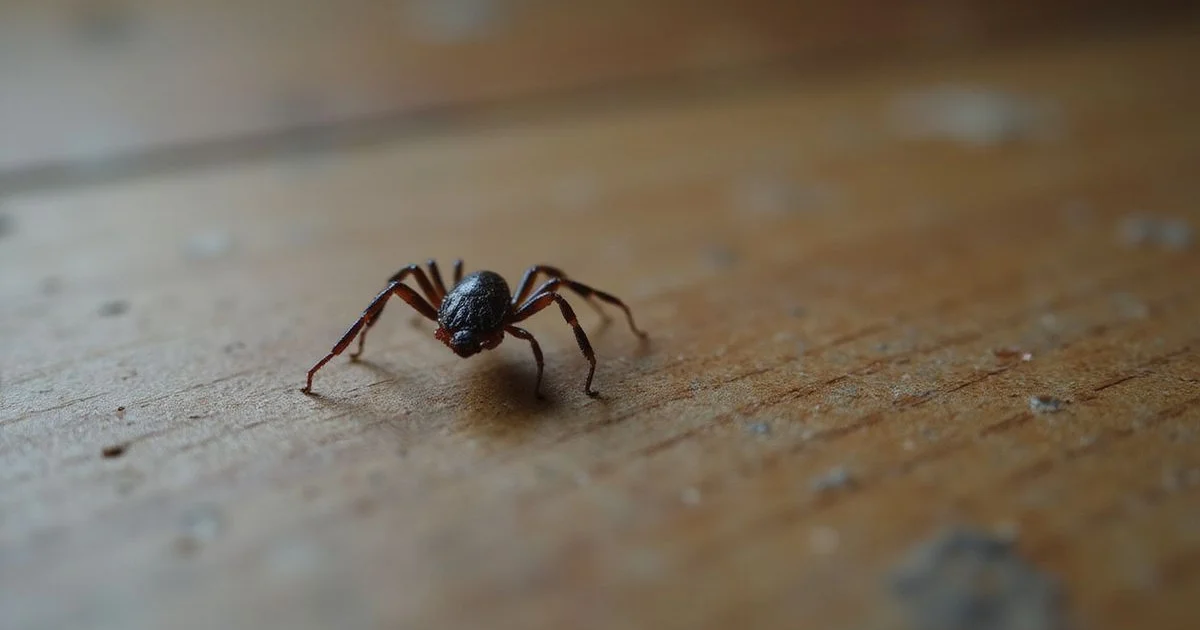
When to Start Tick Prevention in the Hudson Valley
Timing is critical for tick prevention. Learn when to deploy tick tubes, start perimeter treatments, and protect your yard in the Hudson Valley region.

Why Fall Is Peak Season for Wildlife Home Invasions
As temperatures drop, squirrels, raccoons, and bats seek shelter in Westchester homes. Learn why fall exclusion work prevents costly winter wildlife problems.