How SMART Digital Pest Monitoring Works and Why It Matters
Anticimex SMART sensors detect rodent activity 24/7 without toxic baits. Learn how wireless pest monitoring technology protects Westchester homes.
Michael Corsetti
The Evolution of Pest Detection
You know the sinking feeling of finding a chewed wire or a dropping in the pantry. By the time you spot these physical signs, the problem is often far worse than it appears.
Pest control has operated on this reactive model for decades. Homeowners would wait for evidence, call a professional, and then hope the treatment worked.
This delay is costly. A single pair of mice can theoretically produce up to 60 offspring in a single year according to data from the University of Florida. Waiting weeks for a quarterly inspection gives populations time to explode behind your walls.
SMART (Sensing, Monitoring, And Responsive Technology) fundamentally changes this approach. Developed by global leader Anticimex, this system moves pest control from reactive to proactive.
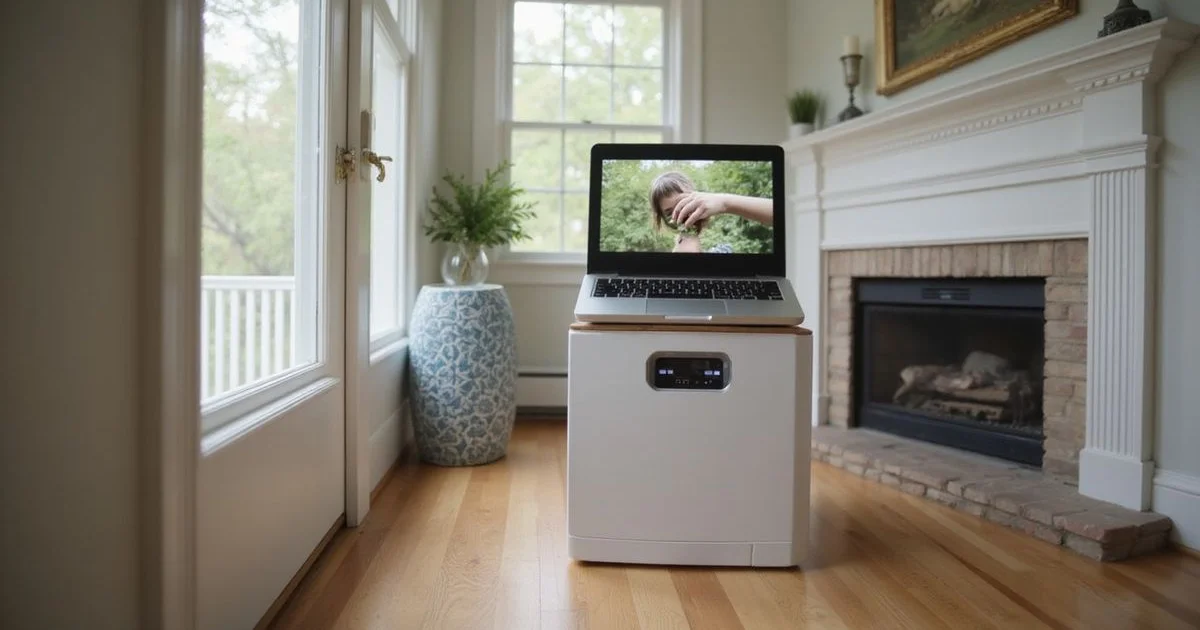
We use SMART sensors to detect rodent activity the exact moment it happens. This data reports wirelessly to a central system. It allows us to intervene before a few intruders become an infestation.
Pristine Pest acts as the exclusive provider of Anticimex SMART technology in Westchester County and the greater Hudson Valley. We bring this high-level intelligence to residential and commercial properties throughout the region.
How SMART Sensors Work
The Hardware
We install SMART sensors at strategic breach points throughout a property. These devices are compact and unobtrusive. Common placement areas include basement rim joists, attic crawl spaces, and behind kitchen appliances.
The technology inside is sophisticated. Each sensor utilizes Passive Infrared (PIR) motion detectors combined with proprietary algorithms.
These algorithms are calibrated specifically for rodent biometrics.
One major advantage is safety. Unlike traditional snap traps or bait stations that may contain toxic rodenticides, SMART monitoring sensors use no poisons. This design makes them entirely safe for households with curious toddlers or pets.
The Detection Process
The detection happens in milliseconds. When a rodent moves within range of a sensor, the infrared detector logs the event.
The onboard processor immediately analyzes the movement signature. It distinguishes actual rodent heat and motion from false triggers like a warm pipe, a draft, or a spider walking across the lens.
This precision is critical. High-end sensors like these operate on a “blind” mesh network, meaning they communicate with each other to reach the central hub without relying on your home Wi-Fi bandwidth.
Once activity is confirmed, the sensor shoots the data to a central gateway. This hub utilizes a cellular connection to upload the alert to the Anticimex SMART cloud platform. Our team receives that intelligence instantly.
The Cloud-Based Monitoring Platform
Real-Time Activity Dashboard
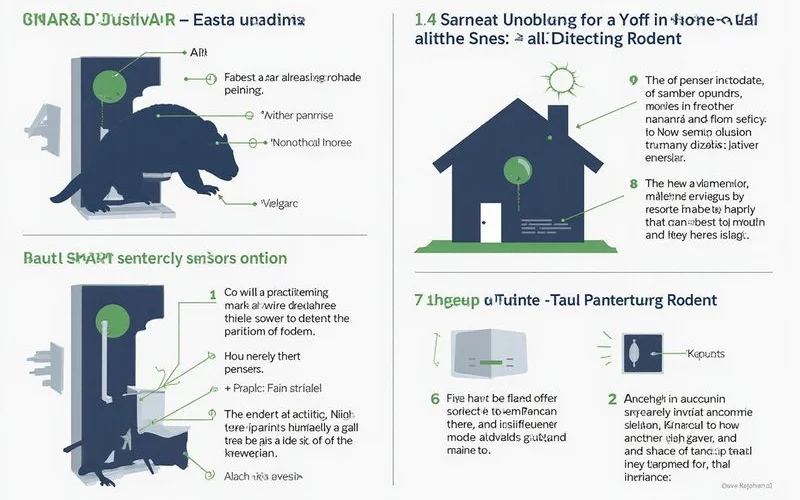
The SMART platform aggregates data into a clear, actionable dashboard. It provides us with a level of visibility that was previously impossible in the pest control industry.
We analyze four specific data points to protect your home:
- Heat Mapping: Visual overlays showing exactly where high-traffic zones are located within the building envelope.
- Time-Stamp Forensics: Data revealing if activity spikes at specific times, such as immediately after sunset or during quiet mid-day hours.
- Population Velocity: Trend lines that show if the pressure is increasing or decreasing week-over-week.
- Threshold Alerts: Immediate notifications if activity breaches a specific safety limit.
This transforms pest control from an art into a science. Technicians no longer have to guess where to place traps based on intuition. The data tells us exactly where the enemy is moving.
Comparison: Traditional vs. SMART Pest Control
| Feature | Traditional Control | SMART Monitoring |
|---|---|---|
| Surveillance | Passive (visual checks every 90 days) | Active (24/7/365 digital monitoring) |
| Reaction Time | Weeks or Months | Immediate |
| Toxic Materials | Often uses rodenticide baits | 100% Non-toxic sensors |
| Data Quality | Subjective (technician’s eyes) | Objective (digital activity logs) |
Automated Alerting
The system never sleeps. While you and your family are resting, the SMART system acts as a digital sentry.
An alert is generated the moment a pattern indicates a developing issue. This allows our team to schedule a targeted response immediately.
For homeowners in Westchester, this speed is vital. A mouse entering a basement in October can establish a nest within 48 hours. Our system catches that initial entry, allowing us to seal the gap before a family moves in.
Why Digital Monitoring Matters for Westchester Homes
The Local Rodent Challenge
Westchester County presents a unique set of variables that favor rodent populations. The dense tree canopy in areas like Chappaqua and Bedford provides natural “highways” for Roof Rats (Rattus rattus) to access upper levels of homes.
Structural age is another factor. Beautiful, historic homes in Bronxville and Larchmont often feature stone foundations. Over time, the mortar in these foundations degrades, creating easy entry points that are difficult to spot with the naked eye.
Climate trends also play a role. Recent data from the Northeast Regional Climate Center indicates milder winters in our area. Fewer deep freezes mean higher survival rates for outdoor rodent populations, leading to increased pressure on homes year-round.
Traditional glue boards simply cannot compete with this environmental reality. Passive traps only work if a rodent happens to walk directly over them.
Environmental Responsibility
Ecological impact is a major concern for many of our clients. Traditional Second-Generation Anticoagulant Rodenticides (SGARs) are effective, but they carry risks.
The issue is secondary poisoning. When a mouse consumes bait and then is eaten by a predator, the toxin transfers up the food chain. Local studies involving the Cornell Wildlife Health Lab have found anticoagulant residues in a high percentage of raptors in the New York region.
We take this seriously. The Westchester Land Trust and local Audubon chapters advocate for reducing these toxins to protect Great Horned Owls and Red-tailed Hawks.
SMART technology aligns with these conservation goals. It provides hospital-grade monitoring without introducing a single gram of rodenticide into the environment.

Data-Driven Decision Making
Uncertainty is the enemy of effective pest control. In the past, a technician might wonder if a specific exclusion repair was actually working.
SMART monitoring removes the guesswork. If we seal a gap around a utility pipe, the sensors in that zone should show a drop in activity to zero within days.
This feedback loop validates our work. It proves that the physical barriers are holding and that your home is secure.
The Installation Process
Getting a system like this up and running is less intrusive than many homeowners expect. The process typically follows a strict protocol.
Professional Site Assessment
Our technicians begin with a forensic audit of the home. We look for “rub marks” along baseboards, droppings in mechanical rooms, and airflow gaps in attics.
This assessment dictates the network design. We map out exactly where sensors need to be placed to create an inescapable detection grid.
Sensor Installation
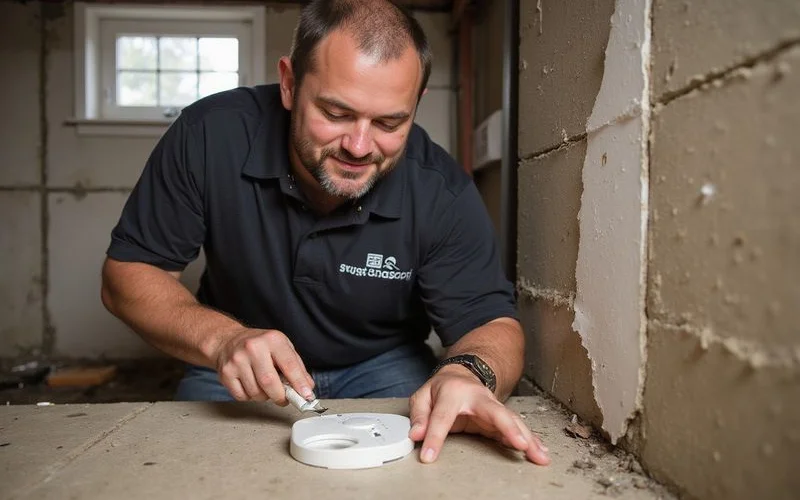
Installation is clean and quick. Because the system is entirely wireless, we do not need to drill through walls or run Cat6 cables.
We attach sensors using non-damaging industrial adhesive or small screws in unfinished areas. A typical 3,000-square-foot home in Westchester usually requires between 8 to 15 sensors for full coverage.
System Commissioning
The “handshake” process happens next. We activate the central hub and verify that every sensor is reporting a strong signal back to the cloud.
We then establish a baseline. Every home has a unique “noise” level. Commissioning ensures the system ignores your golden retriever running past a sensor while staying razor-sharp for a mouse scurrying along the wall.
Ongoing Monitoring and Response
The service continues in the background. You do not need to check an app or change batteries.
Our team handles all maintenance. If a sensor goes offline or a battery runs low, we receive a system health alert and address it during your next scheduled visit.
Is SMART Right for Your Home?
This technology is an investment in peace of mind. While it is a premium service, it offers specific advantages for certain types of homeowners.
You should consider SMART if you fall into one of these categories:
- The Health-Conscious: You want to avoid all toxic chemicals inside your living space.
- The Data-Driven: You want proof that your pest control service is actually working.
- The Proactive: You prefer preventing damage rather than repairing it after the fact.
- The Frequent Traveler: You own a second home in CT or the Hudson Valley and need eyes on the property while you are away.
Homes in heavily wooded areas or those with a history of recurring intrusions are the best candidates. The dense vegetation of northern Westchester acts as a reservoir for rodents, making continuous perimeter monitoring essential.
Experience Next-Generation Pest Control
Pristine Pest stands as the exclusive Anticimex SMART digital pest control provider for the Westchester County and Hudson Valley region. Our board-certified entomologists leverage this data to make smarter, faster decisions for your property.
This is the difference between guessing and knowing. Contact us at 844-288-7740 to schedule a consultation. Let’s discuss how we can put this digital shield to work for your home today.
Written by
Michael Corsetti
Board-Certified Entomologist
Cornell-educated entomologist with 20+ years in urban pest management.
Keep Reading
Related Articles
How Often Should You Schedule Pest Control for Your Home?
Discover the ideal pest control service frequency for Westchester homes. Learn why quarterly IPM visits prevent infestations before they start.
How Much Does Termite Treatment Cost in Westchester County?
Get realistic termite treatment pricing for Westchester homes. Compare costs for Sentricon bait stations, liquid treatments, and annual monitoring plans.
Complete Guide to Termite Prevention for New York Homeowners
Protect your New York home from subterranean termites with proven prevention strategies. Moisture control, wood-to-soil gaps, and annual inspections explained.