Complete Guide to Termite Prevention for New York Homeowners
Protect your New York home from subterranean termites with proven prevention strategies. Moisture control, wood-to-soil gaps, and annual inspections explained.
Michael Corsetti

Why Prevention Matters More Than Treatment
We often see homeowners focus entirely on treatment after the damage is done. That approach misses the bigger picture.
Termite treatment eliminates an existing infestation, but prevention ensures one never develops. The distinction is significant financially and structurally. Prevention costs a fraction of treatment. Remediation can never undo the structural damage that occurred before termites were discovered.
The eastern subterranean termite (Reticulitermes flavipes) is the primary wood-destroying species of concern in New York State.
These termites are present in every county south of Albany. They are particularly active in the lower Hudson Valley and all of Westchester County. The New York State Integrated Pest Management Program at Cornell University recommends proactive prevention measures for all homeowners in this active zone.
This guide covers the most effective pest control and prevention strategies that Westchester and Hudson Valley homeowners can implement.
Strategy 1: Eliminate Wood-to-Soil Contact
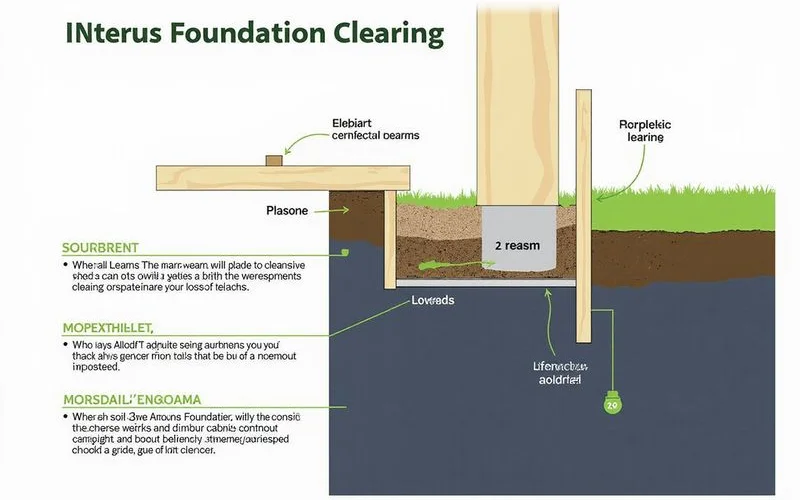
The single most important termite prevention measure is eliminating direct contact between wood structural elements and the soil.
Subterranean termites nest underground and travel through soil to reach wood food sources. When wood touches soil directly, termites can access it without building the exposed mud tubes that serve as your primary visual warning system. We find this to be the most common entry point in the region.
Common Contact Points in New York Homes
- Deck posts and stair stringers: Often set directly in or on the ground.
- Porch supports: Lacking concrete footings or post bases.
- Siding or wood trim: Extending below the soil surface.
- Landscape timbers: Railroad ties placed against or near the foundation.
- Firewood: Stacked directly against the house.
- Wooden basement window frames: Contacting the foundation below grade.
Recommended Clearances
The International Building Code (specifically Section R318 adopted by New York State) recommends a minimum of 6 inches of clearance between any wood element and the soil surface.
For structural members like floor joists and sill plates, 8 inches or more is preferred. In many older Westchester homes, achieving these clearances requires modifications. You may need to install concrete post bases, regrade soil away from the foundation, or replace deteriorated wood skirting with non-cellulosic materials.
Strategy 2: Manage Moisture Aggressively
Subterranean termites require moisture to survive. They cannot feed on wood that is below approximately 20% moisture content. Their tunnels and nest chambers must maintain high humidity levels.
Any condition that increases moisture in or around your home’s structural wood creates a more favorable environment for termite colonization. Our inspections frequently uncover moisture issues that homeowners didn’t know existed.
Gutters and Downspouts
Ensure gutters are clear and downspouts discharge water at least 4-6 feet away from the foundation.
Clogged gutters overflow directly against the foundation wall. This saturates the soil where termite tubes are most likely to form. In Westchester, heavy autumn leaf drop from oak, maple, and other deciduous trees makes gutter maintenance especially important.
Grading
The soil surrounding your foundation should slope away from the structure at a minimum grade of 6 inches over the first 10 feet. Negative grading directs surface water against the foundation and into the soil where termites forage.
Crawl Space Moisture
Homes with crawl spaces should have a continuous 6-mil polyethylene vapor barrier covering the soil floor.
Adequate ventilation is necessary to prevent moisture accumulation. The relative humidity in a crawl space should be maintained below 60%. This discourages termite activity and wood decay fungi that further soften wood for termite consumption.
Plumbing Leaks
Even minor plumbing leaks in basements, crawl spaces, and slab-on-grade construction can create localized moisture conditions.
These leaks attract termites to specific areas of the foundation. Fix all leaks promptly. Monitor for new ones during seasonal inspections.
Strategy 3: Remove Cellulose Debris Near the Foundation
Termites feed on any cellulose material, not just structural wood. Organic debris in contact with the soil near your foundation serves as both a food source and a bridge between the ground and your home.
Items to Remove or Relocate
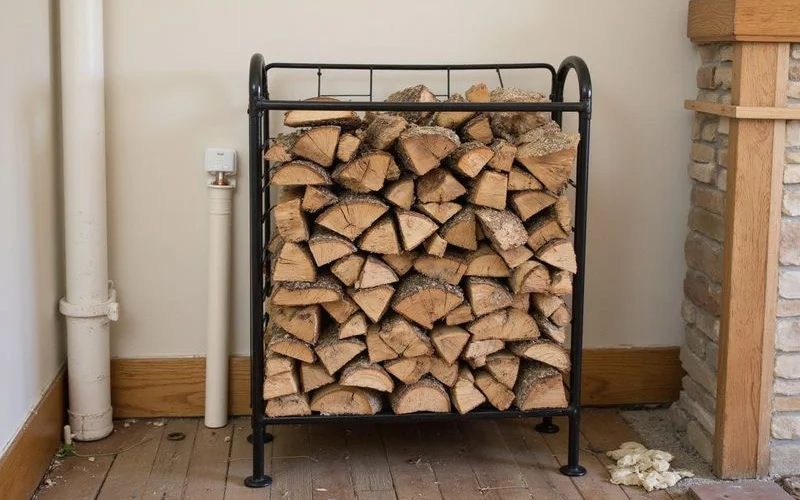
- Firewood: Store at least 20 feet from the structure and elevate it off the ground on a metal rack.
- Mulch: Keep a minimum 4-inch gap between mulch and the foundation.
- Alternative Ground Cover: Consider using non-cellulosic alternatives like rubber mulch, gravel, or crushed stone within 12 inches of foundation walls.
- Dead trees and stumps: Decaying stumps within 20 feet of the house can harbor termite colonies that eventually discover your foundation.
- Construction debris: Scrap lumber, form boards, and cardboard left after construction or renovation provide easily accessible food sources.
- Cardboard storage: Cardboard boxes stored in basements or crawl spaces attract both termites and other pests.
Strategy 4: Seal Foundation Cracks and Gaps
Sealing cracks does not prevent termites entirely, as they can build tubes over sealed surfaces. However, it reduces the number of concealed entry points. This makes termite tubes easier to detect during inspections.
Priority Sealing Points
- Concrete Foundations: Cracks in poured concrete wider than 1/32 inch.
- Masonry: Mortar joints in block and stone foundations.
- Utilities: Gaps around water lines, gas lines, electrical conduits, and HVAC refrigerant lines.
- Joints: Expansion joints between concrete elements.
- Sill Plates: Gaps between the foundation wall and the wood sill plate.
Use appropriate sealants for each material. Polyurethane caulk works best for moving joints. Hydraulic cement is ideal for structural cracks. Copper mesh or stainless steel wool provides a physical barrier for larger utility penetrations.
Strategy 5: Maintain Adequate Ventilation
Proper ventilation in attics, crawl spaces, and basements reduces moisture accumulation. Damp wood is significantly more susceptible to termite attack.
The Federal Housing Administration recommends a minimum of 1 square foot of ventilation opening for every 150 square feet of crawl space floor area. In Westchester homes, many crawl spaces and basements have insufficient ventilation due to original construction standards or modifications over the years.
Adding foundation vents or installing a dehumidifier in enclosed spaces can significantly reduce moisture levels and termite risk.
Strategy 6: Consider Low-Toxicity Protection Systems
Many homeowners in our region are concerned about the environmental impact of traditional pesticides. We specialize in low-toxicity solutions that offer premium protection without saturating the soil with harsh chemicals.
Bait Station Systems
Bait systems differ from liquid barriers. Instead of creating a chemical moat, these stations are placed around the home’s perimeter to intercept foraging termites.
The termites consume a slow-acting bait and share it with the colony. This process eliminates the entire population, including the queen. We find this method highly effective for New York properties.
Comparing Protection Options
| Feature | Liquid Barrier Treatments | Bait Station Systems (Premium) |
|---|---|---|
| Method | Injects gallons of termiticide into soil | Stations installed every 10-15 feet |
| Invasiveness | Requires trenching and drilling concrete | No drilling or trenching required |
| Environmental | High volume of active ingredient | Micro-dosing only when termites are present |
| Monitoring | No ongoing monitoring included | Continuous monitoring of activity |
Strategy 7: Schedule Annual Professional Inspections
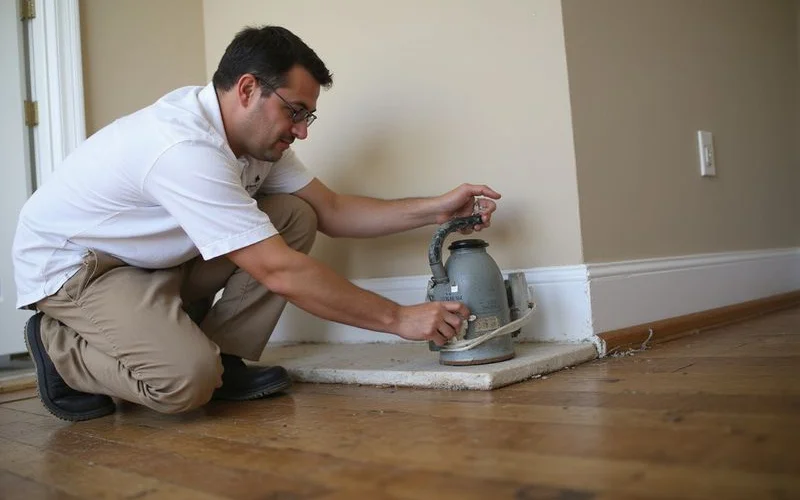
Even with all prevention measures in place, annual professional inspections remain the most reliable way to detect termite activity at its earliest stage.
A trained inspector knows where to look and what subtle signs to watch for. They can differentiate termite evidence from other conditions that may appear similar.
What a Professional Inspection Covers
- Perimeter Check: Complete examination of the foundation, interior and exterior.
- Hidden Areas: Inspection of all accessible basement, crawl space, and garage areas.
- Risk Factors: Evaluation of moisture conditions and wood-to-soil contact points.
- History: Assessment of previous treatment effectiveness (if applicable).
- Report: Documentation of findings and recommendations.
Optimal Timing
In the Westchester area, the best time for an annual termite inspection is March through May.
This coincides with the pre-swarm period when termite activity begins to increase. It allows us to catch issues before swarming events obscure the distinction between new and established infestations.
Prevention Checklist Summary
Use this checklist to assess your home’s termite prevention status:
- All wood elements maintain minimum 6-inch clearance from soil.
- Gutters are clean and downspouts discharge 4+ feet from foundation.
- Soil grades away from foundation on all sides.
- No firewood, mulch, or cellulose debris is stored against the foundation.
- Crawl space has a vapor barrier and adequate ventilation.
- All plumbing leaks are repaired.
- Foundation cracks and utility penetrations are sealed.
- No tree stumps or dead wood sit within 20 feet of the structure.
- Annual professional inspection is scheduled.
Start Protecting Your Home Today
Pristine Pest offers comprehensive termite control prevention assessments and ongoing monitoring programs for homeowners throughout Westchester County and the Hudson Valley.
Our board-certified entomologists evaluate your property against every risk factor. We identify areas of vulnerability and implement the prevention measures that provide the most effective long-term protection.
Whether you need a first-time inspection, an annual monitoring program, or a prevention-focused consultation, call 844-288-7740 to get started.
Written by
Michael Corsetti
Board-Certified Entomologist
Cornell-educated entomologist with 20+ years in urban pest management.
Keep Reading
Related Articles

How Often Should You Schedule Pest Control for Your Home?
Discover the ideal pest control service frequency for Westchester homes. Learn why quarterly IPM visits prevent infestations before they start.

How SMART Digital Pest Monitoring Works and Why It Matters
Anticimex SMART sensors detect rodent activity 24/7 without toxic baits. Learn how wireless pest monitoring technology protects Westchester homes.
How Much Does Termite Treatment Cost in Westchester County?
Get realistic termite treatment pricing for Westchester homes. Compare costs for Sentricon bait stations, liquid treatments, and annual monitoring plans.